What Distance Management Means
Distance management uses physical space to keep the dog within a workable emotional range. Increasing or controlling distance can prevent escalation and create conditions where training is possible.
How To Teach Distance Management
Learn the earliest signs that the dog is becoming concerned or overaroused, including staring, body stiffness, closed mouth, slower responses, or refusal of food. Move away before barking, lunging, or freezing occurs. Distance is most useful when added early.
Use streets, parked cars, driveways, barriers, and directional changes to create space. Cross the road, turn into a side area, or step behind a visual block. The goal is not to flee every trigger. It is to find the distance where the dog can observe and still respond.
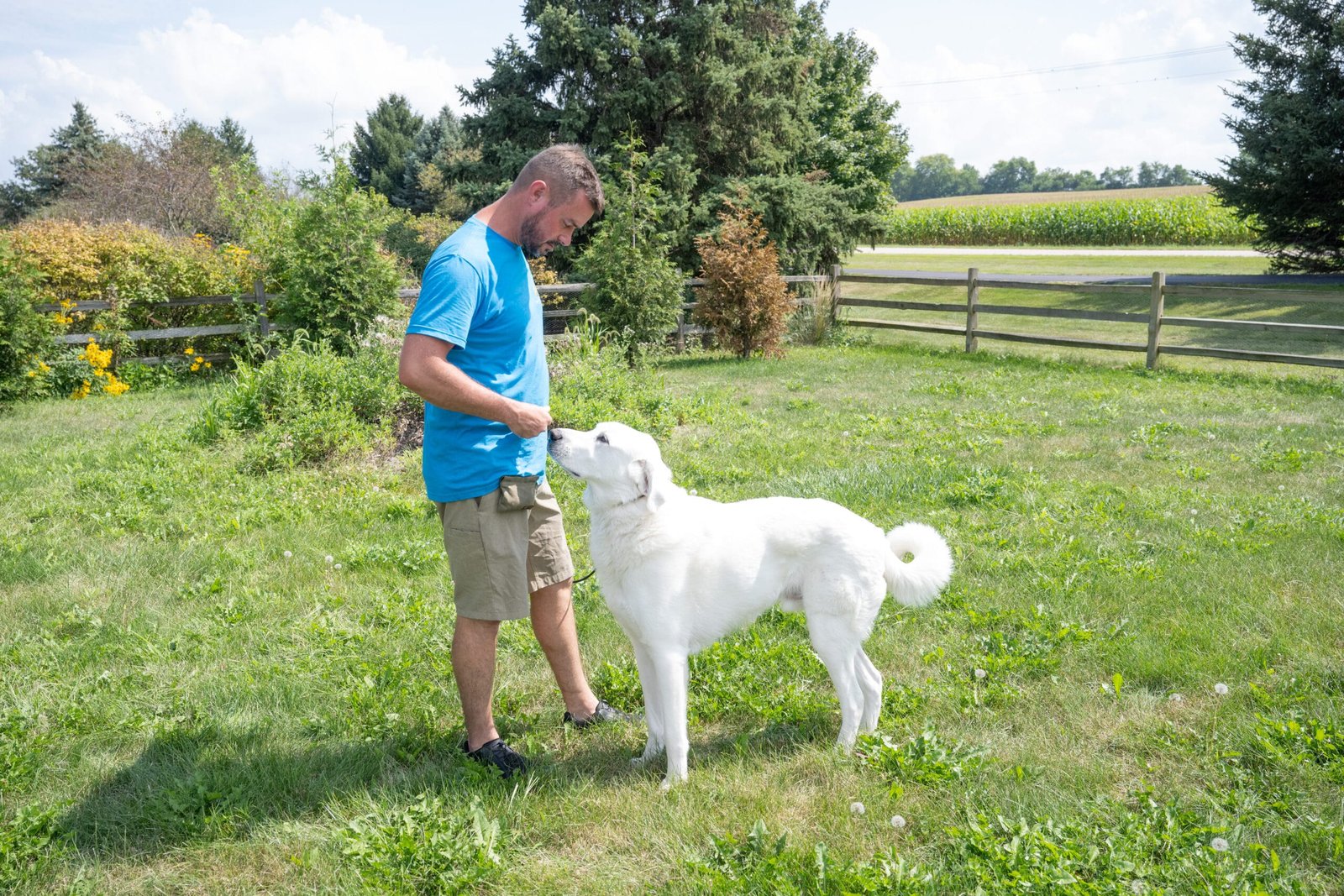
Once the dog is below threshold, reinforce check-ins, loose leash movement, or calm observation. Gradually reduce distance only when the dog's body remains soft and recovery is quick. Progress should be based on the dog's response, not the owner's desire to get closer.
Distance can also be a reward. A fearful dog that looks back at the handler may be reinforced by moving away. This gives the dog a safe alternative to barking or lunging for space.
Distance management works with desensitization, counterconditioning, trigger management, and directional changes. It is not avoidance or failure. It is one of the most important tools for preventing rehearsal and protecting learning. Dogs cannot practice thoughtful behavior when the environment is already too intense.
Relatable Child Psychology Analogy
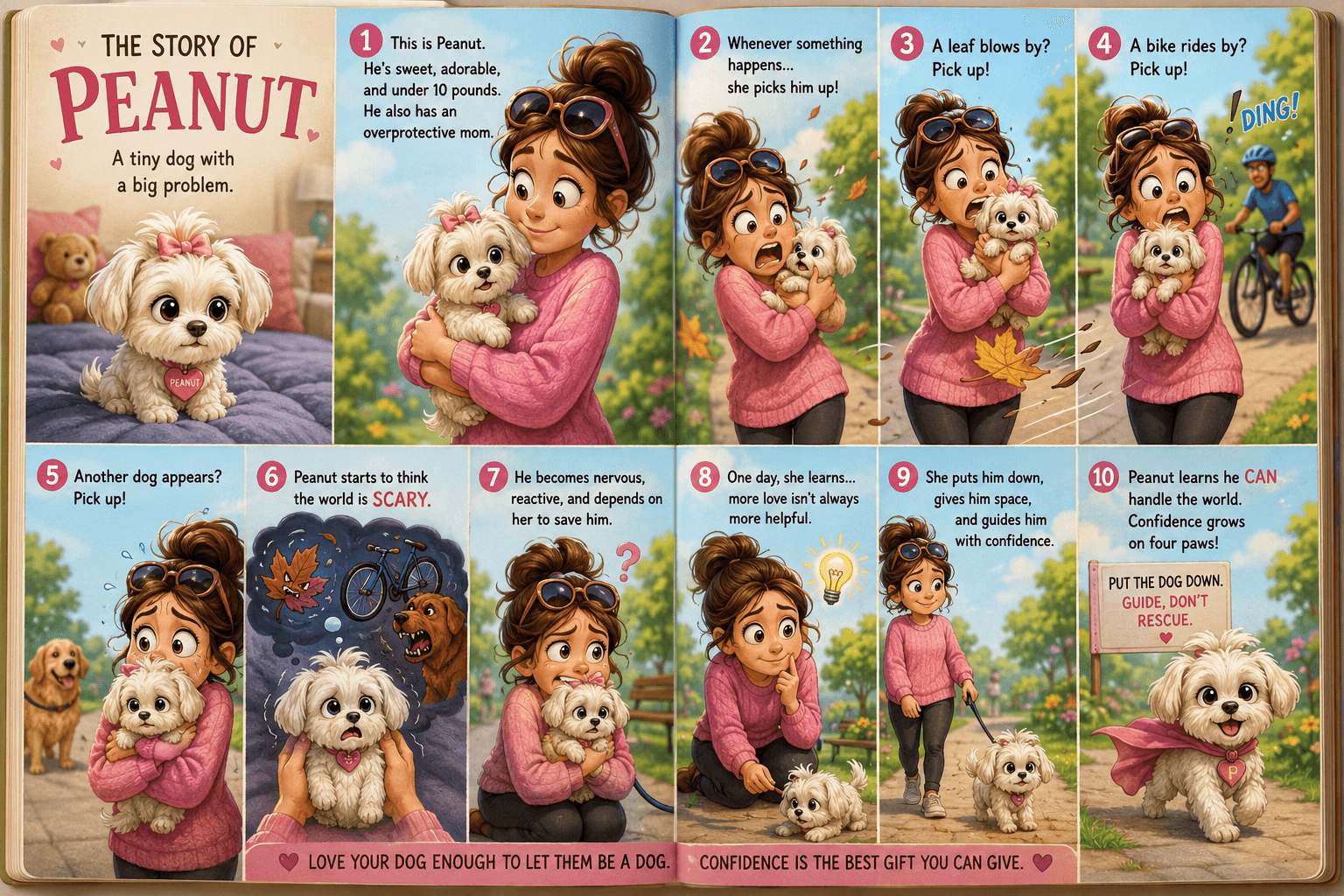
Think about a child becoming overwhelmed near the front row of a loud parade. Moving farther away may allow the child to watch, talk, and enjoy the event instead of covering their ears and melting down. Distance serves the same practical purpose for dogs. It is not avoidance for its own sake. It adjusts the intensity so the dog can remain below threshold, process information, and practice the behavior being taught.
Related Training
- ManagementManagement changes the environment to prevent unwanted behavior from being rehearsed while training is underway.
- Trigger ManagementTrigger management identifies and controls the situations that reliably produce fear, frustration, excitement, or unwanted behavior.
- CounterconditioningCounterconditioning changes the dog's emotional expectation by pairing a trigger with something the dog values.
- DesensitizationDesensitization gradually exposes the dog to a trigger at an intensity low enough to remain manageable.
- Pattern TrainingPattern training uses a simple, repeatable sequence of movement and reinforcement to create predictability.
Related Dog Behavior
- ReactivityAn intense response to a trigger that may include barking, lunging, pulling, freezing, spinning, or difficulty disengaging.
- Fearful BehaviorBehavior that communicates concern about a person, animal, object, sound, place, or interaction.
- AggressionThreatening or harmful behavior that may include hard staring, growling, snapping, lunging, or biting.
- AvoidanceBehavior used to increase distance from, delay, or escape a person, place, object, interaction, or task.
- Slow RecoveryA prolonged return to normal breathing, movement, attention, and behavior after a stressful or exciting event.
Related Psychology
- FearAn emotional response to something the dog perceives as an immediate threat or danger.
- AnxietyWorry or anticipation about a possible threat, uncertain outcome, or future event.
- ThresholdThe point where emotional intensity becomes too high for effective learning or reliable responses.
- Trigger StackingThe accumulation of stressful or exciting events before the dog has fully recovered from earlier events.
- ArousalThe level of nervous-system activation that influences attention, movement, emotion, and responsiveness.