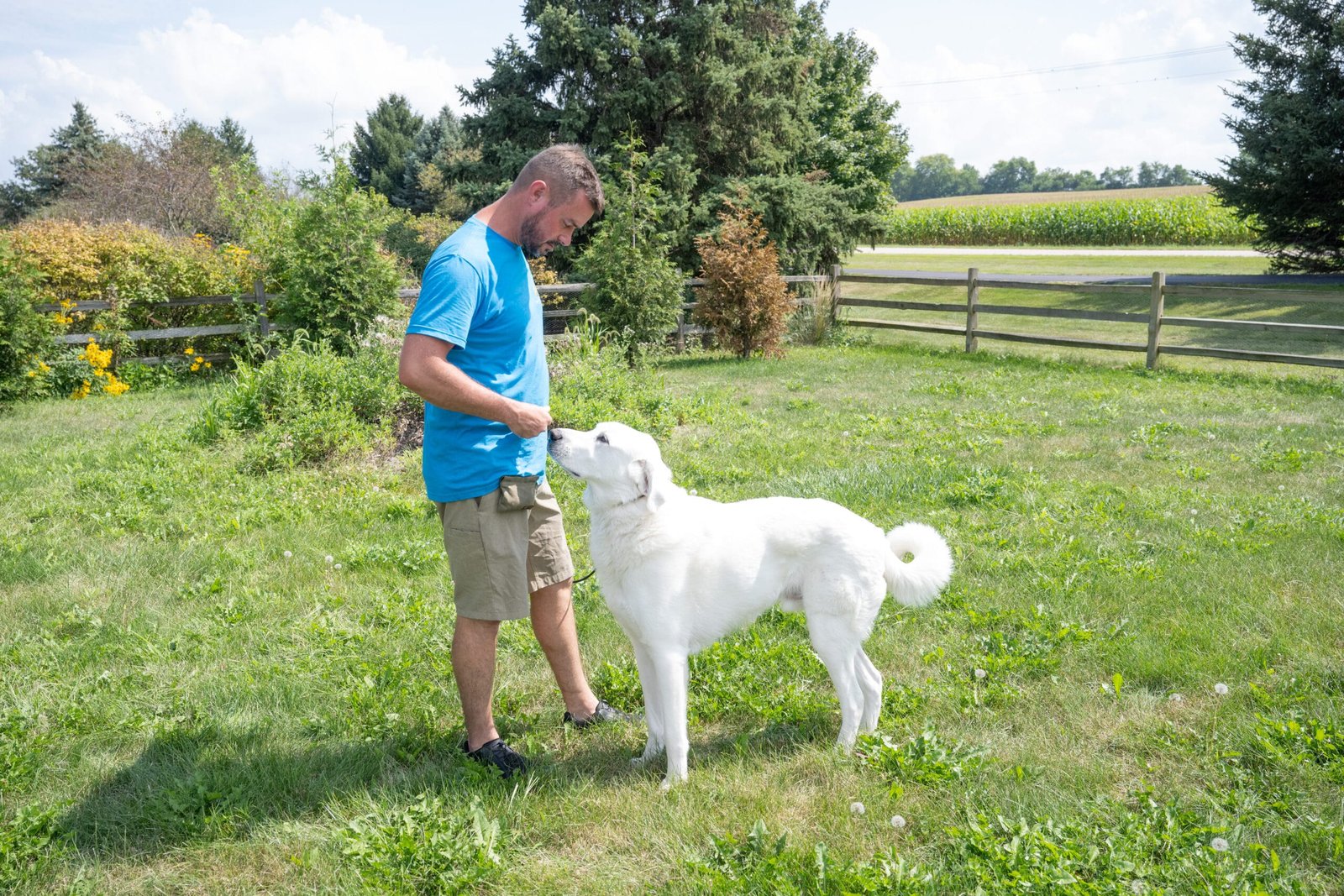
Whale eye describes a visible crescent of white around a dog’s eye when the head turns away while the eyes remain fixed on something of concern.
Common Signs
- Whites of Eyes Visible
- Head Turned Away
- Stiff Body
- Freezing
- Lip Licking
- Avoidance
Important Distinction
Visible eye white alone is not a complete diagnosis. Eye shape, breed, lighting, movement, and the rest of the body must be considered together.
What Can Help
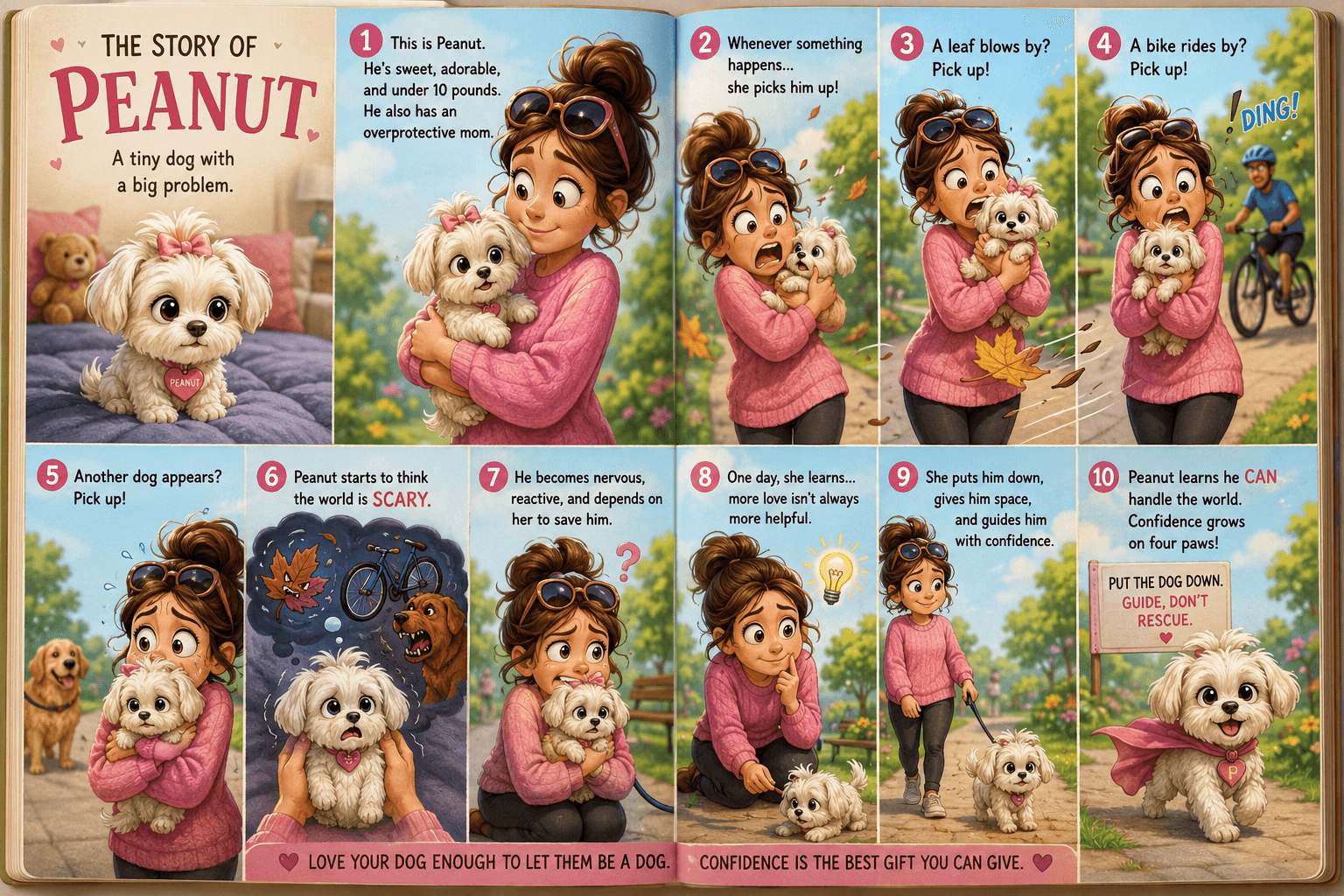
Reduce social pressure, stop the approach or handling, create space, and look for the earlier signals that occurred before the whale eye became obvious.
When To Get Professional Help
Get help when whale eye appears around children, resources, touch, or situations where the dog cannot leave, especially if growling or snapping has also occurred.
Related Behavior Terms
Related Dog Psychology
Related Training Option
Behavioral Consultation
Every dog brings a different history, environment, and reason for the behavior. This service can help identify the right next step and build a plan around the dog in front of you.
This library provides general education, not an assessment of an individual dog. Sudden behavior changes, pain-related behavior, or an immediate safety concern should be discussed with an appropriate veterinary or behavior professional.