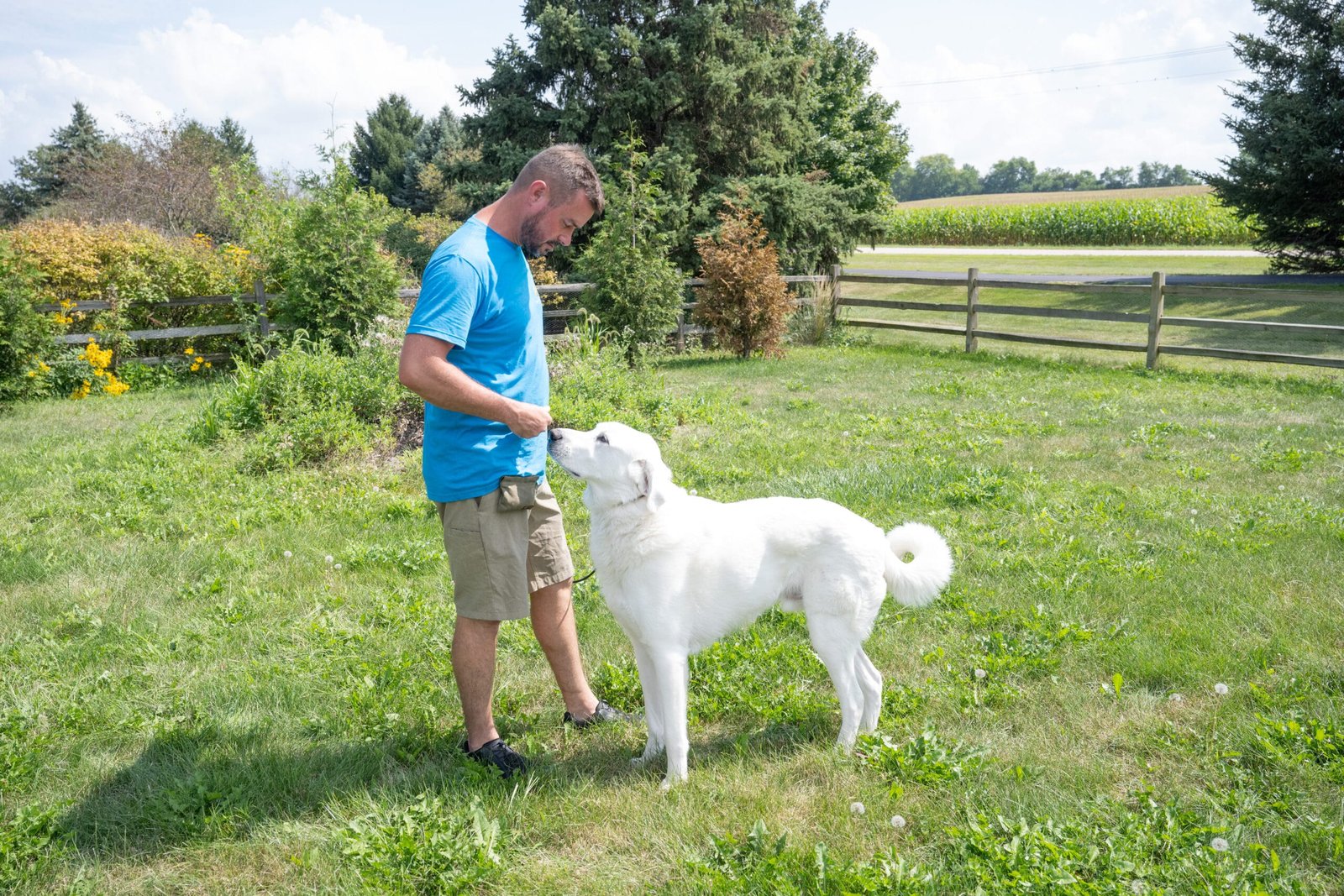
Counterconditioning is a learning process that changes a dog’s emotional response by repeatedly pairing a trigger with something the dog values under controlled conditions.
Common Signs
Important Distinction
Counterconditioning is not distracting a dog until the trigger disappears. The dog needs to register the trigger while remaining able to eat, move, and recover.
What Can Help
Work below threshold, use a valuable reinforcer, keep sessions short, and change only one or two variables at a time so progress can be measured honestly.
When To Get Professional Help
Professional guidance helps when the dog will not take food, reactions are severe, the trigger is unavoidable, or safety requires more controlled setups.
Related Behavior Terms
Related Dog Psychology
Classical ConditioningLearning through association, when one event begins to predict another and changes the dog’s emotional response.AssociationA learned connection between events, cues, places, actions, emotions, or outcomes.FearAn emotional response to something the dog perceives as an immediate threat or danger.ThresholdThe point where emotional intensity becomes too high for effective learning or reliable responses.
Related Dog Training
CounterconditioningCounterconditioning changes the dog's emotional expectation by pairing a trigger with something the dog values. The goal is for the trigger to…DesensitizationDesensitization gradually exposes the dog to a trigger at an intensity low enough to remain manageable. The trigger becomes stronger only as…Distance ManagementDistance management uses physical space to keep the dog within a workable emotional range. Increasing or controlling distance can prevent escalation and…Marker TrainingMarker training uses a consistent word, click, or sound to identify the exact moment the dog performs the desired behavior. The marker…
Related Training Option
Behavior Modification
Every dog brings a different history, environment, and reason for the behavior. This service can help identify the right next step and build a plan around the dog in front of you.
This library provides general education, not an assessment of an individual dog. Sudden behavior changes, pain-related behavior, or an immediate safety concern should be discussed with an appropriate veterinary or behavior professional.