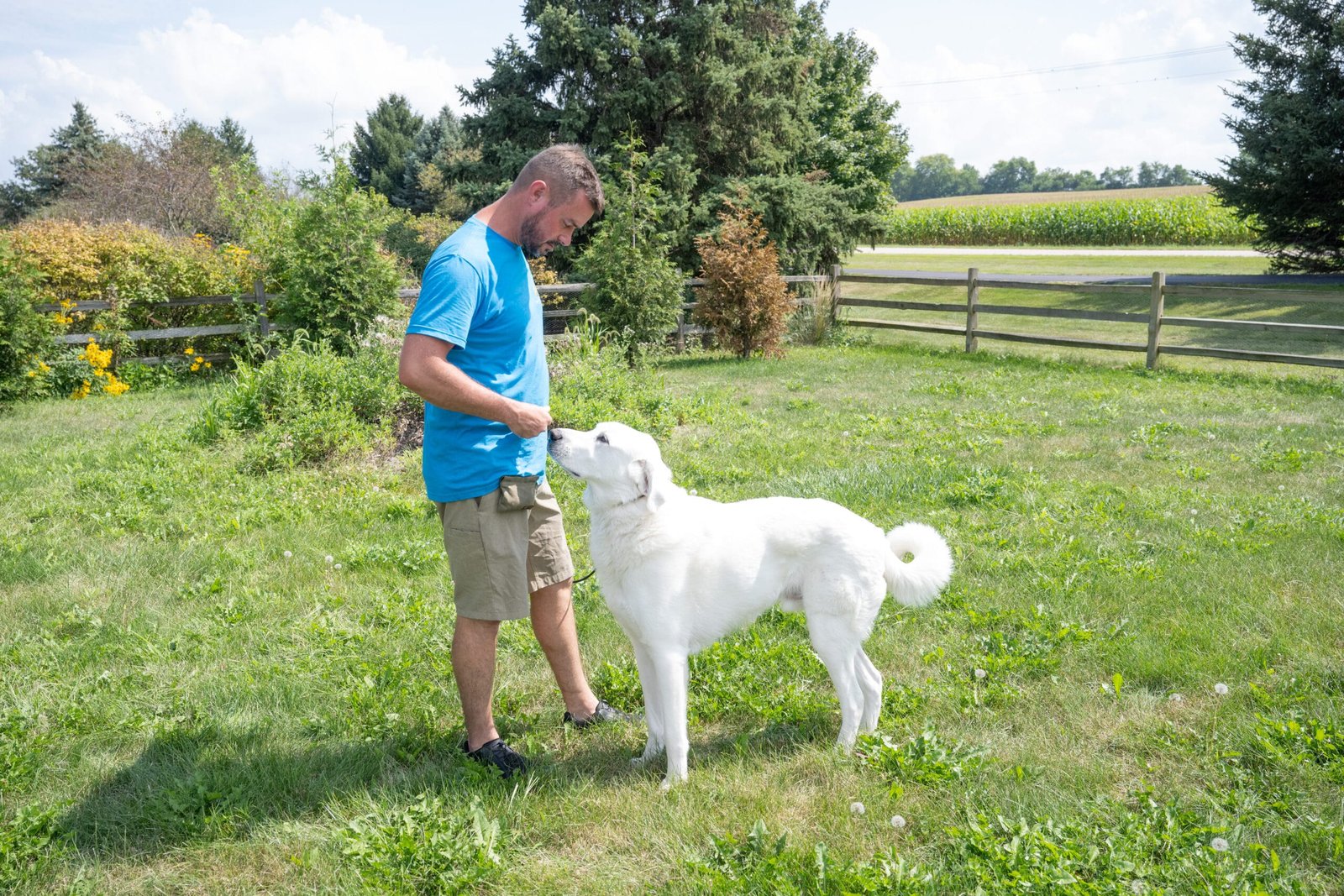
Desensitization is gradual, controlled exposure to a trigger at an intensity low enough that the dog can remain functional and recover.
Common Signs
Important Distinction
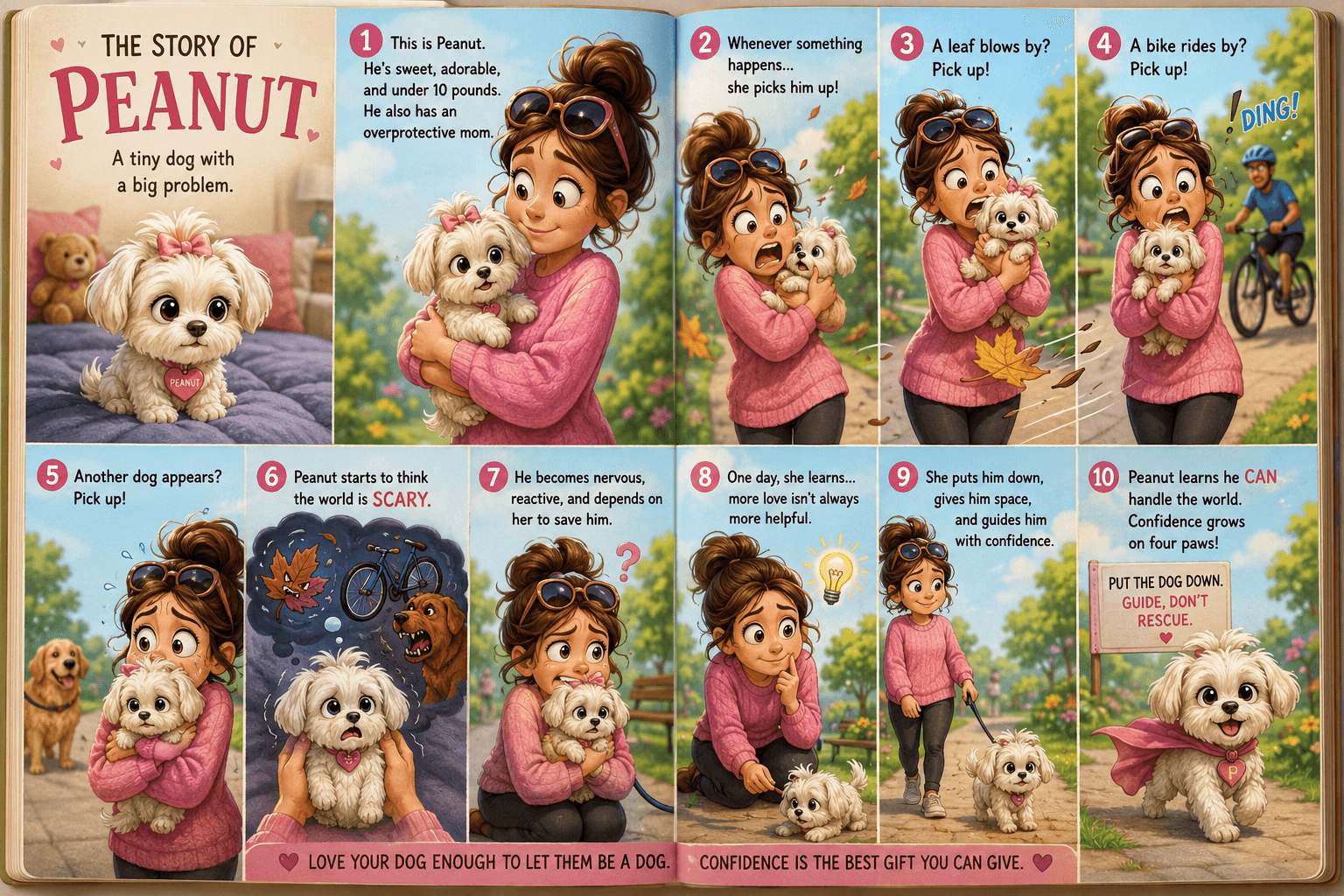
Desensitization is not repeated full-strength exposure. Flooding a dog until it stops reacting can create shutdown, sensitization, or a loss of trust.
What Can Help
Start below threshold, change one variable at a time, pair exposure with meaningful reinforcement when appropriate, and stop before the dog becomes overwhelmed.
When To Get Professional Help
Get guidance when the trigger involves bite risk, unavoidable household situations, severe panic, or a dog whose signals are hard to read.
Related Behavior Terms
Related Dog Psychology
HabituationA decreased response after repeated exposure to a stimulus that proves unimportant or harmless.SensitizationAn increased response after repeated or intense exposure, especially when the experience is stressful.ThresholdThe point where emotional intensity becomes too high for effective learning or reliable responses.ConfidenceA dog’s ability to approach situations, make decisions, and recover from challenges without becoming overwhelmed.
Related Dog Training
DesensitizationDesensitization gradually exposes the dog to a trigger at an intensity low enough to remain manageable. The trigger becomes stronger only as…Distance ManagementDistance management uses physical space to keep the dog within a workable emotional range. Increasing or controlling distance can prevent escalation and…CounterconditioningCounterconditioning changes the dog's emotional expectation by pairing a trigger with something the dog values. The goal is for the trigger to…Pattern TrainingPattern training uses a simple, repeatable sequence of movement and reinforcement to create predictability. Familiar patterns can help the dog reconnect, move…
Related Training Option
Behavior Modification
Every dog brings a different history, environment, and reason for the behavior. This service can help identify the right next step and build a plan around the dog in front of you.
This library provides general education, not an assessment of an individual dog. Sudden behavior changes, pain-related behavior, or an immediate safety concern should be discussed with an appropriate veterinary or behavior professional.