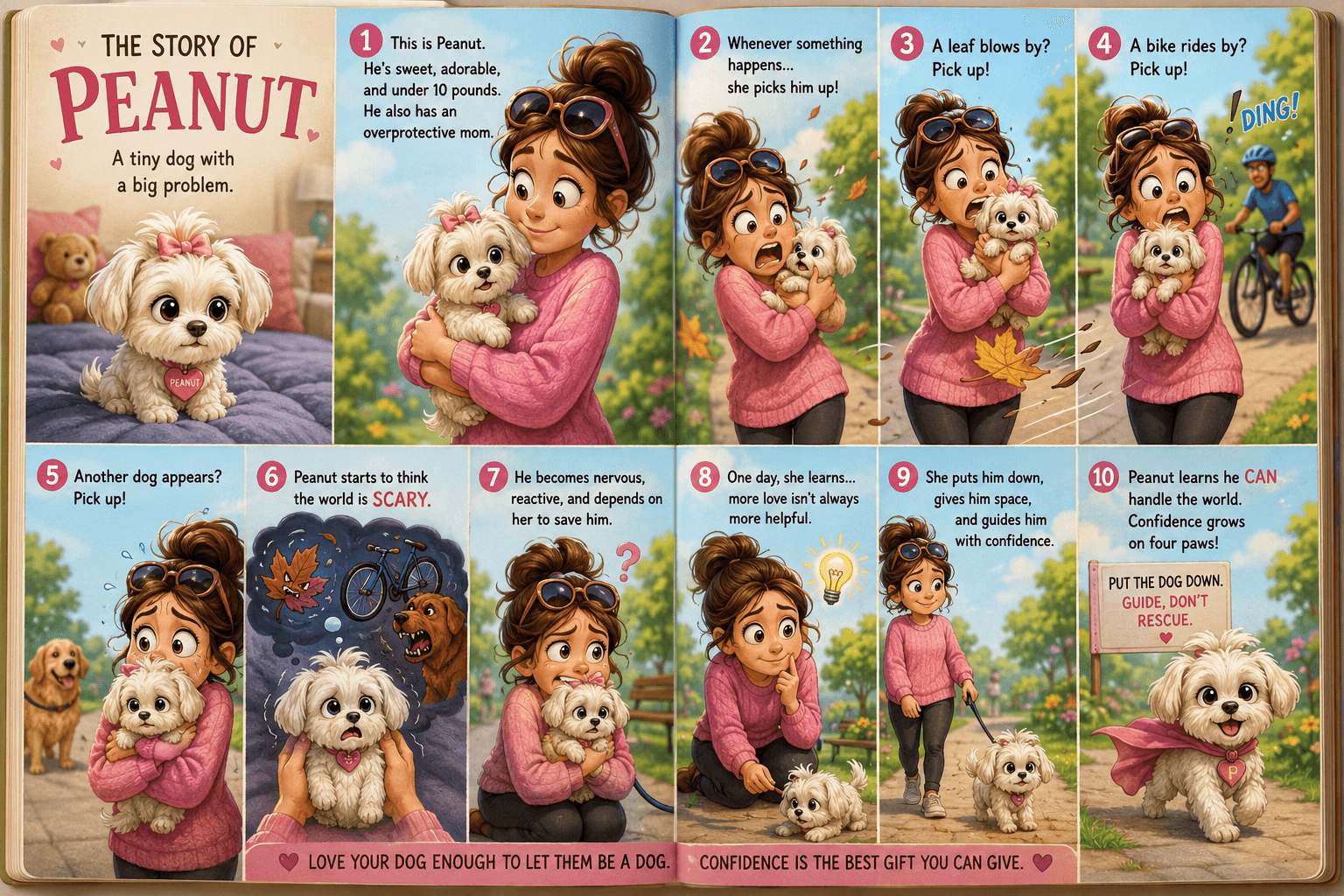
Recovery time is the period a dog needs after stress, excitement, frustration, fear, or intense activity before returning to a more functional baseline.
Common Signs
Important Distinction
The end of the visible reaction is not always the end of the emotional response. Asking for more exposure too quickly can make the next reaction stronger.
What Can Help
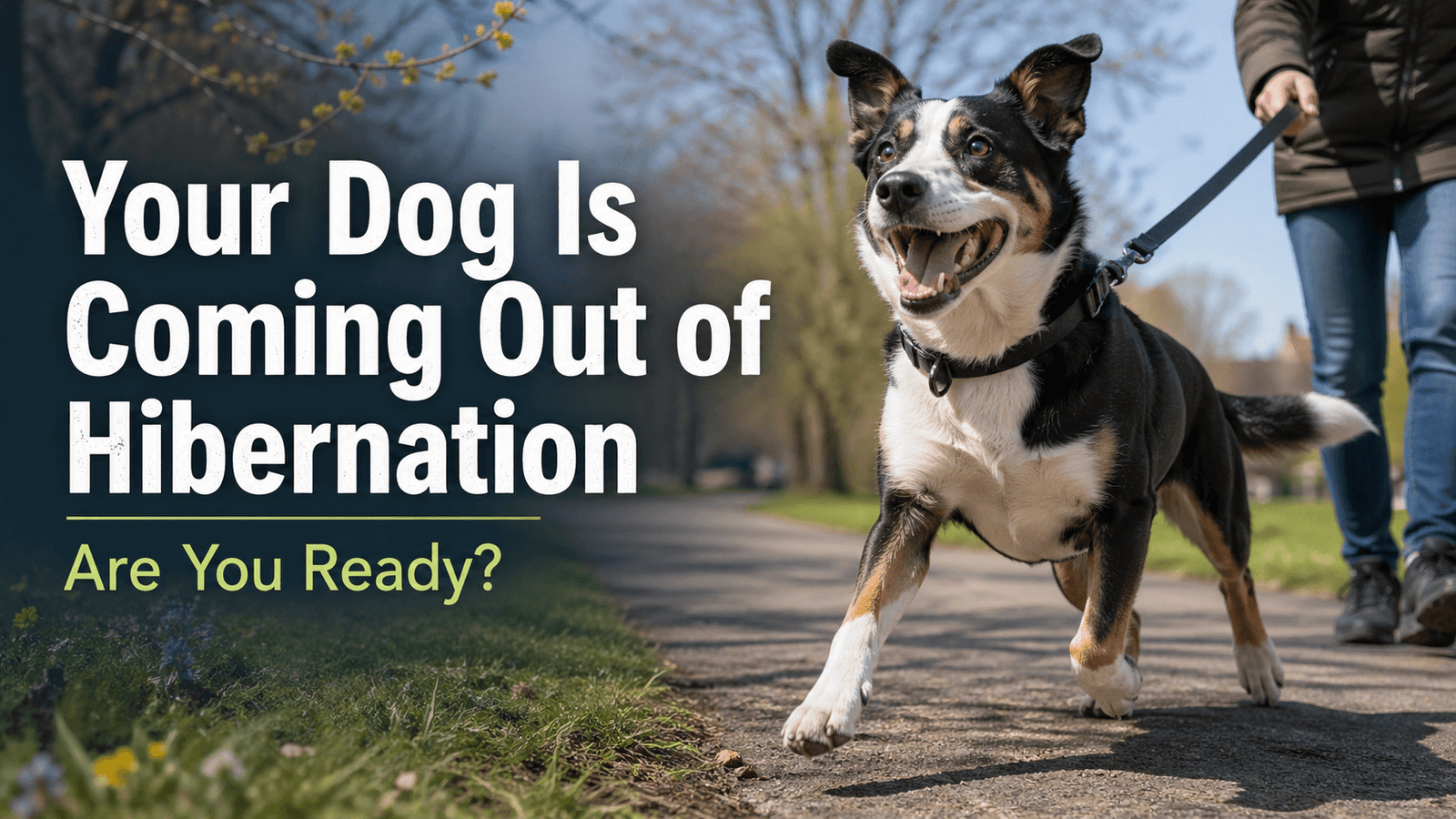
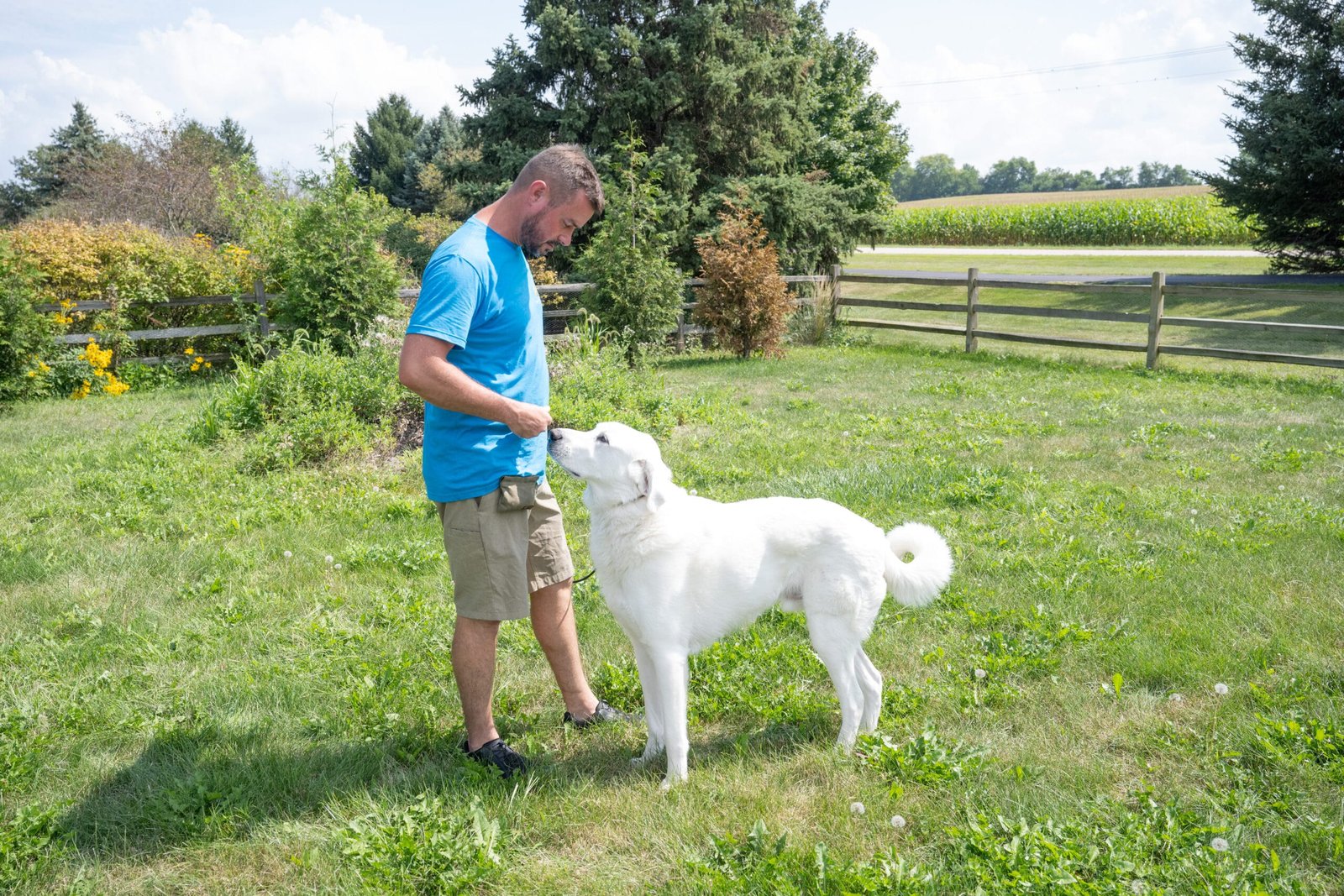
Create space, reduce demands, offer water and rest, protect sleep, avoid unnecessary triggers, and resume training only when the dog can engage normally again.
When To Get Professional Help
Get help when recovery takes hours or days, the dog cannot settle, appetite changes, reactions keep compounding, or there may be pain or medical involvement.
Related Behavior Terms
Related Dog Psychology
RecoveryThe process of returning toward a normal emotional, physical, and behavioral baseline after activation.StressThe body and brain’s response to physical, emotional, or environmental demands.Trigger StackingThe accumulation of stressful or exciting events before the dog has fully recovered from earlier events.DecompressionA period of reduced pressure and predictable activity that supports recovery after demanding experiences.
Related Dog Training
SettleSettle teaches the dog to relax in a location without maintaining a rigid position. The goal is a softer emotional and physical…Pattern TrainingPattern training uses a simple, repeatable sequence of movement and reinforcement to create predictability. Familiar patterns can help the dog reconnect, move…Distance ManagementDistance management uses physical space to keep the dog within a workable emotional range. Increasing or controlling distance can prevent escalation and…Trigger ManagementTrigger management identifies and controls the situations that reliably produce fear, frustration, excitement, or unwanted behavior. It reduces surprise exposure and allows…
Related Training Option
Behavior Modification
Every dog brings a different history, environment, and reason for the behavior. This service can help identify the right next step and build a plan around the dog in front of you.
This library provides general education, not an assessment of an individual dog. Sudden behavior changes, pain-related behavior, or an immediate safety concern should be discussed with an appropriate veterinary or behavior professional.