What Impulse Control Means
Impulse control is the dog's ability to pause, wait, or choose an alternative instead of immediately acting on excitement or desire. It develops through clear access rules and gradual practice, not through exhausting the dog's patience.
How To Teach Impulse Control
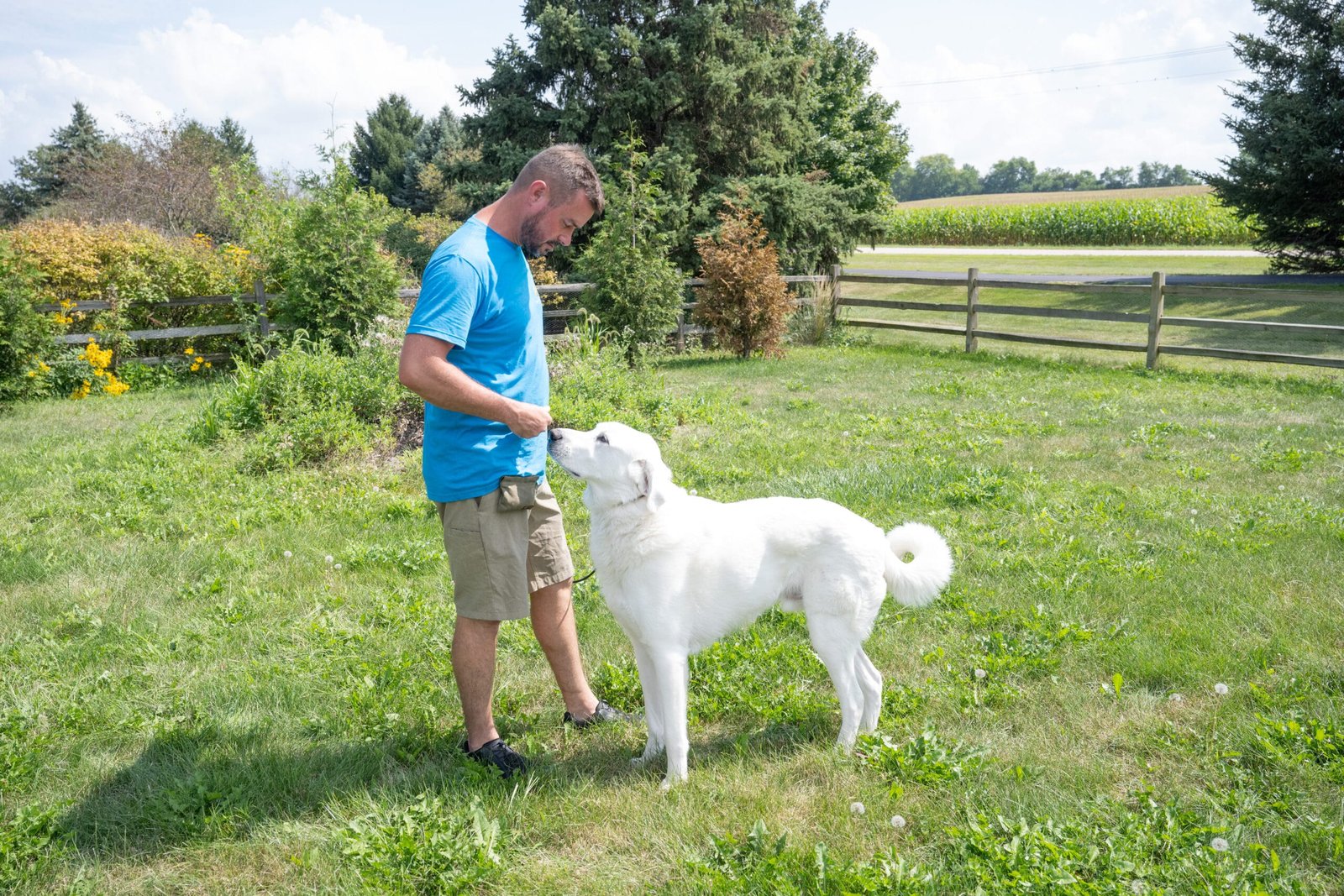
Choose a simple situation where the dog wants something, such as food, a toy, movement through a door, or permission to sniff. Hold access briefly. The moment the dog stops pushing, jumping, or grabbing, mark and provide the desired outcome.
Keep the first pause extremely short. One second of stillness may be enough. Gradually increase the delay only while the dog remains successful. Use the Premack Principle by allowing the preferred activity to reinforce the calmer behavior that came first.
Practice in many small parts of daily life. Wait before leaving the crate, pause before the food bowl, hold four paws on the floor before greeting, and check in before moving toward a smell. These repetitions teach a general pattern without turning every interaction into a long obedience exercise.
Avoid demanding prolonged control when the dog is over threshold or highly frustrated. Increase distance, lower excitement, or use management. Repeated failure does not build self-control. It rehearses impulsive behavior and can increase frustration.
Impulse control works with wait, release cues, door manners, greeting manners, and place. The goal is not to suppress normal desire. The dog still gets to move, play, sniff, and greet. Training teaches that pausing and listening are the most reliable ways to gain access safely.
Relatable Child Psychology Analogy
Think about a child waiting for cookies to cool before taking one from the tray. The desire does not disappear. The child learns that pausing and following the rule is the reliable way to gain access. Impulse control works similarly with dogs around doors, food, greetings, and toys. The goal is not to eliminate excitement or motivation. It is to teach that thoughtful behavior opens opportunities more consistently than rushing toward them.
Related Training
- SettleSettle teaches the dog to relax in a location without maintaining a rigid position.
- Door MannersDoor manners teach the dog to approach, wait at, and move through doors without rushing, jumping, or pulling.
- Greeting MannersGreeting manners teach the dog how to approach and interact with people without jumping, mouthing, barking, or overwhelming the person.
- Four Paws on the FloorFour paws on the floor reinforces the dog for standing or moving without jumping.
- Relaxation TrainingTeaching repeatable behaviors and routines that support settling and lower physical activation.
Related Dog Behavior
- JumpingPlacing the front paws or body onto a person, object, door, or surface, often during greetings or excitement.
- Door RushingMoving quickly through an opening before being released or before the handler can safely control the transition.
- Demand BarkingBarking that has learned to produce attention, food, movement, play, access, or another desired outcome.
- Greeting FrustrationBarking, pulling, whining, or lunging when a dog wants social access but cannot reach the person or dog.
Related Psychology
- ArousalThe level of nervous-system activation that influences attention, movement, emotion, and responsiveness.
- Frustration ToleranceThe ability to remain organized when access, movement, attention, or reinforcement is delayed or unavailable.
- Inhibitory ControlThe ability to pause or suppress an immediate response in favor of another action.
- ReinforcementAny consequence that increases the likelihood a behavior will happen again.
- ConsistencyThe reliability of cues, boundaries, consequences, and reinforcement across repetitions and people.