What Relaxation Training Means
Teaching repeatable behaviors and routines that support settling and lower physical activation.
How To Teach Relaxation Training
Teaching repeatable behaviors and routines that support settling and lower physical activation.
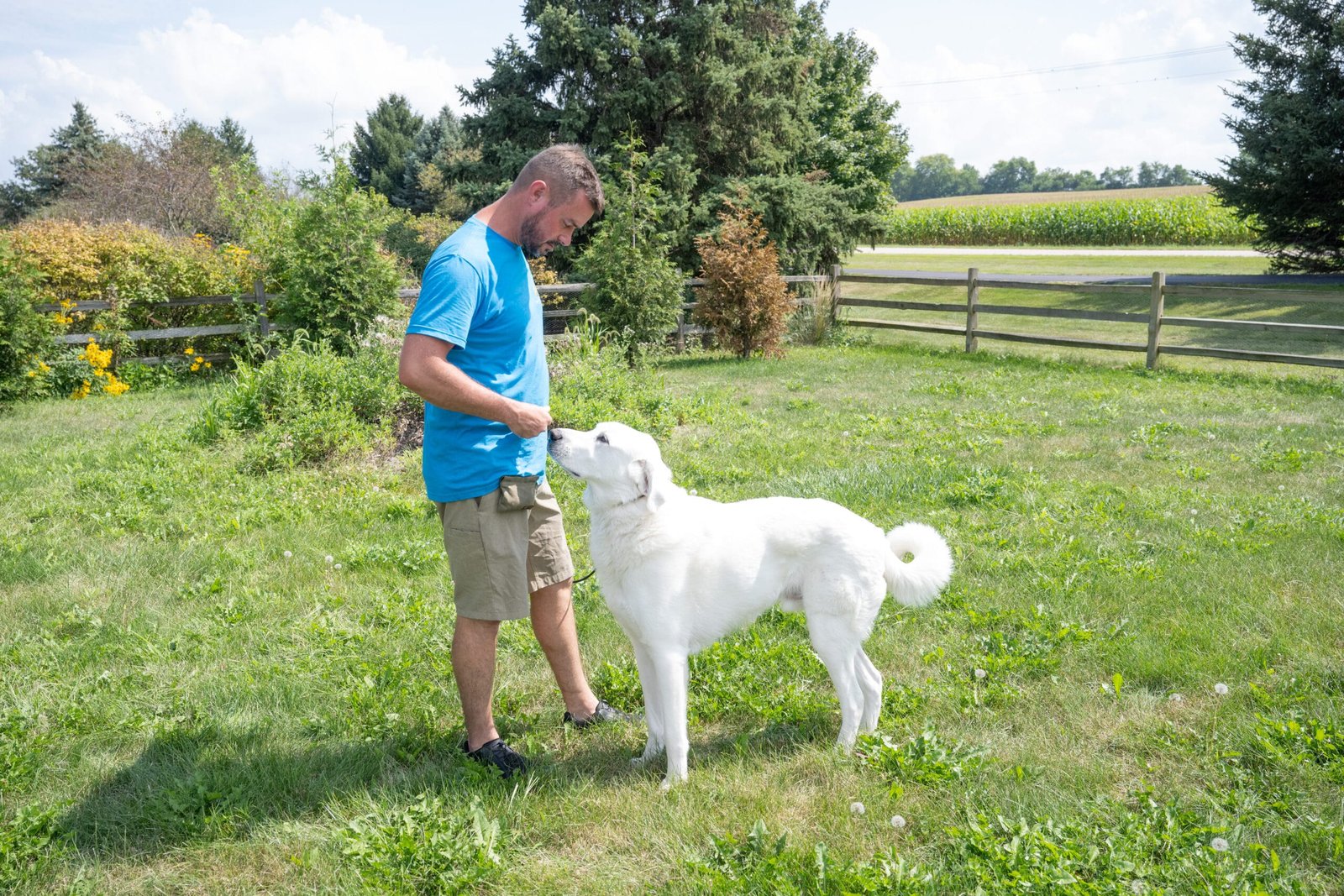
Begin in a quiet environment and decide exactly what success looks like. Use a clear cue or setup, mark the correct choice, and reinforce promptly. Keep the first repetitions easy enough that the dog can understand the pattern without repeated guessing or frustration.
Increase only one challenge at a time. Depending on the skill, that may mean adding seconds, steps, distance, movement, novelty, or distractions. If accuracy drops, reduce the challenge and rebuild from the last successful level. Training should create information, not simply test whether the dog can tolerate failure.
Use this skill in short sessions and then practice it in the situations where it will actually be needed. Reinforcement should remain meaningful, and the handler should watch the dog’s arousal, body language, and recovery. The goal is dependable understanding that can transfer into everyday life.
Related Training
- ManagementManagement changes the environment to prevent unwanted behavior from being rehearsed while training is underway.
- Distance ManagementDistance management uses physical space to keep the dog within a workable emotional range.
- Trigger ManagementTrigger management identifies and controls the situations that reliably produce fear, frustration, excitement, or unwanted behavior.
- CounterconditioningCounterconditioning changes the dog's emotional expectation by pairing a trigger with something the dog values.
- DesensitizationDesensitization gradually exposes the dog to a trigger at an intensity low enough to remain manageable.
Related Dog Behavior
- ReactivityAn intense response to a trigger that may include barking, lunging, pulling, freezing, spinning, or difficulty disengaging.
- Fearful BehaviorBehavior that communicates concern about a person, animal, object, sound, place, or interaction.
- AggressionThreatening or harmful behavior that may include hard staring, growling, snapping, lunging, or biting.
- AvoidanceBehavior used to increase distance from, delay, or escape a person, place, object, interaction, or task.
- Slow RecoveryA prolonged return to normal breathing, movement, attention, and behavior after a stressful or exciting event.
Related Psychology
- FearAn emotional response to something the dog perceives as an immediate threat or danger.
- AnxietyWorry or anticipation about a possible threat, uncertain outcome, or future event.
- ThresholdThe point where emotional intensity becomes too high for effective learning or reliable responses.
- Trigger StackingThe accumulation of stressful or exciting events before the dog has fully recovered from earlier events.
- ArousalThe level of nervous-system activation that influences attention, movement, emotion, and responsiveness.