What Release Cue Means
A release cue tells the dog that a position, boundary, or waiting behavior has ended. It prevents the dog from guessing when it is free to move and creates a clear finish to sit, down, stay, place, crate, and door work.
How To Teach Release Cue
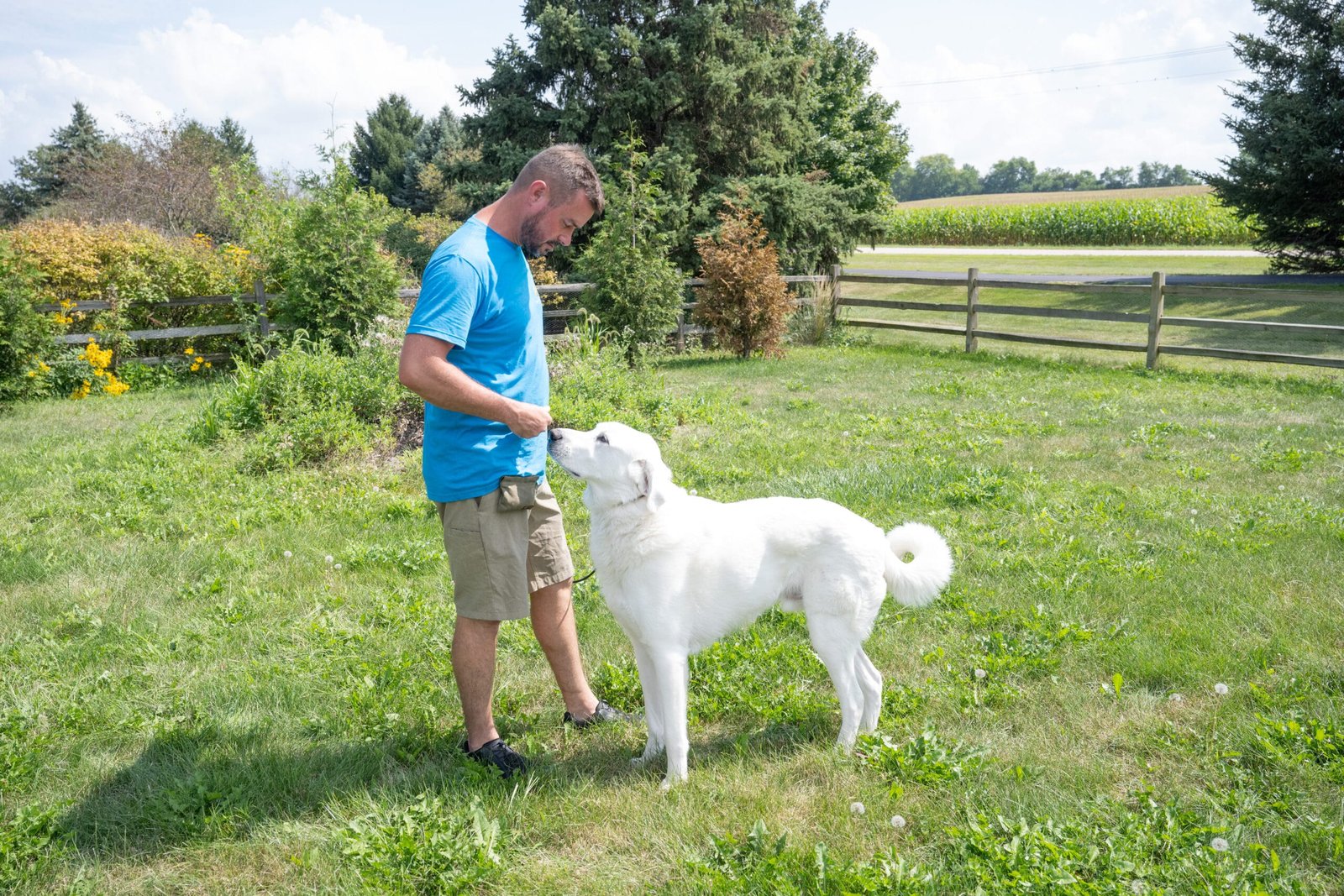
Choose one release word, such as “free,” and use it consistently. Begin with an easy position. Ask the dog to sit, pause for one second, say the release cue, and encourage movement with a tossed reward or by moving away. The reward should appear after the cue so the dog connects the word with permission to leave.
Practice from down, place, wait, and crate. Sometimes reward in position before releasing so the dog does not begin anticipating movement immediately after every reward. Vary the duration slightly, but keep early repetitions short and successful.
Avoid using common conversation words that the dog hears constantly. Also avoid releasing through body movement alone. If stepping away, reaching for the door, or lowering the food bowl always releases the dog, the verbal cue may never gain meaning. Practice those movements while the dog remains in position, then use the release word separately.
A release cue is not recall. It gives permission to stop the current behavior, but it does not tell the dog where to go next. Follow it with another cue when direction matters.
Clear releases reduce creeping, early breaks, and frustration. They work with stay, wait, place, crate training, and impulse control. The dog should understand both what begins the behavior and what clearly ends it.
Relatable Child Psychology Analogy
Think about a teacher telling children, “You may go to recess now.” Without that clear signal, some children would leave early while others would remain unsure whether the activity had ended. A release cue gives a dog the same kind of closure. It explains when stay, place, waiting, or another position is finished. Clear beginnings and endings reduce guessing and help the dog understand that remaining in position is temporary.
Related Training
- SitSit teaches the dog to place its rear on the ground and remain there until released or given another cue.
- DownDown teaches the dog to place its elbows and body on the ground until released or given another cue.
- StayStay teaches the dog to maintain a specific position until the handler returns or gives a release cue.
- WaitWait asks the dog to pause temporarily until given permission to continue.
- PlacePlace teaches the dog to move onto a defined surface and remain there until released.
Related Dog Behavior
- Door RushingMoving quickly through an opening before being released or before the handler can safely control the transition.
- JumpingPlacing the front paws or body onto a person, object, door, or surface, often during greetings or excitement.
- Demand BarkingBarking that has learned to produce attention, food, movement, play, access, or another desired outcome.
Related Psychology
- ReinforcementAny consequence that increases the likelihood a behavior will happen again.
- Inhibitory ControlThe ability to pause or suppress an immediate response in favor of another action.
- Frustration ToleranceThe ability to remain organized when access, movement, attention, or reinforcement is delayed or unavailable.
- ConsistencyThe reliability of cues, boundaries, consequences, and reinforcement across repetitions and people.
- GeneralizationApplying learning across different places, people, positions, distances, and situations.