What Counterconditioning Means
Counterconditioning changes the dog's emotional expectation by pairing a trigger with something the dog values. The goal is for the trigger to begin predicting safety, reinforcement, or another positive outcome.
How To Teach Counterconditioning
Begin at a distance or intensity where the dog notices the trigger without becoming overwhelmed. The moment the trigger appears, deliver high-value reinforcement. When the trigger disappears, the reinforcement stops. The dog learns a new pattern: the trigger predicts something good.
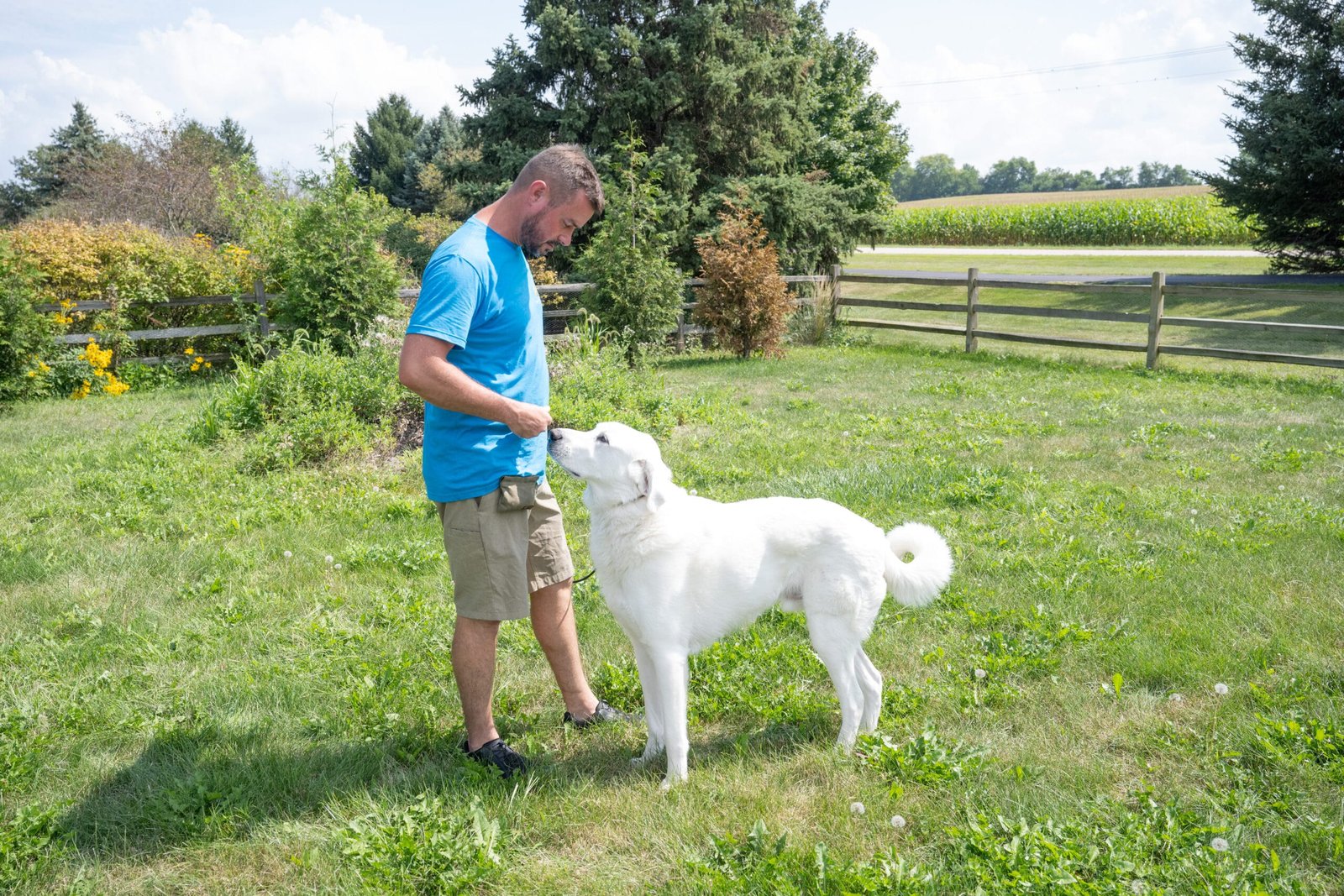
For a dog worried about strangers, the person may remain at a distance and toss food without approaching. For a dog reactive to other dogs, food may begin when another dog appears across the street and end after it passes. The dog should remain able to eat, disengage, and recover.
Timing matters. The trigger should predict the reward, not the reward predict the trigger. Avoid moving closer simply because the dog is eating. Food consumption does not guarantee emotional comfort. Watch the full body, breathing, movement, and ability to turn away.
Pair counterconditioning with desensitization and management. Control intensity, prevent surprise close encounters, and create enough successful repetitions for the emotional association to change.
Counterconditioning is not bribing the dog after a reaction. It works best before escalation, while the dog is below threshold. Progress may appear as softer body language, quicker check-ins, reduced staring, and faster recovery before reactions disappear completely. The training changes the emotional process that drives behavior, not only the visible response.
Relatable Child Psychology Analogy
Think about a child who associates the doctor's office with fear. Brief visits that involve a friendly greeting, a sticker, and no painful procedure can begin changing what the building predicts. Counterconditioning works similarly with dogs. The trigger is paired with a better emotional outcome at a manageable intensity. The goal is not simply to make the dog obey near the trigger, but to change the feeling that appears when the trigger is noticed.
Related Training
- ManagementManagement changes the environment to prevent unwanted behavior from being rehearsed while training is underway.
- Distance ManagementDistance management uses physical space to keep the dog within a workable emotional range.
- Trigger ManagementTrigger management identifies and controls the situations that reliably produce fear, frustration, excitement, or unwanted behavior.
- DesensitizationDesensitization gradually exposes the dog to a trigger at an intensity low enough to remain manageable.
- Pattern TrainingPattern training uses a simple, repeatable sequence of movement and reinforcement to create predictability.
Related Dog Behavior
- ReactivityAn intense response to a trigger that may include barking, lunging, pulling, freezing, spinning, or difficulty disengaging.
- Fearful BehaviorBehavior that communicates concern about a person, animal, object, sound, place, or interaction.
- AggressionThreatening or harmful behavior that may include hard staring, growling, snapping, lunging, or biting.
- AvoidanceBehavior used to increase distance from, delay, or escape a person, place, object, interaction, or task.
- Slow RecoveryA prolonged return to normal breathing, movement, attention, and behavior after a stressful or exciting event.
Related Psychology
- FearAn emotional response to something the dog perceives as an immediate threat or danger.
- AnxietyWorry or anticipation about a possible threat, uncertain outcome, or future event.
- ThresholdThe point where emotional intensity becomes too high for effective learning or reliable responses.
- Trigger StackingThe accumulation of stressful or exciting events before the dog has fully recovered from earlier events.
- ArousalThe level of nervous-system activation that influences attention, movement, emotion, and responsiveness.