What Frustration Tolerance Means
The ability to remain organized when access, movement, attention, or reinforcement is delayed or unavailable.
How Frustration Tolerance Appears in Everyday Life
The ability to remain organized when access, movement, attention, or reinforcement is delayed or unavailable.
In everyday life, frustration tolerance can be seen through changes in attention, emotion, movement, or the choices a dog repeats. A trainer looks at the full pattern rather than assuming one visible behavior has one simple cause. Context, health, learning history, environment, and the value of available outcomes all matter.
Trainers use this concept to decide what the dog is capable of learning in the moment and how to adjust difficulty, timing, reinforcement, distance, and repetition. The goal is to create conditions where the dog can process information and make useful choices instead of being pushed beyond its current capacity.
This concept should be considered alongside related psychology, observable behaviors, and practical training skills. It is an educational framework, not a diagnosis, and significant or sudden behavior changes should be discussed with a veterinarian or qualified behavior professional.
Related Psychology
- FrustrationAn emotional response that occurs when access, movement, or an expected outcome is blocked.
- Inhibitory ControlThe ability to pause or suppress an immediate response in favor of another action.
- Premack PrincipleUsing a more probable or preferred activity to reinforce a less probable behavior.
- Environmental RewardsNaturally valuable opportunities in the environment, including sniffing, exploring, greeting, movement, and gaining distance.
- ArousalThe level of nervous-system activation that influences attention, movement, emotion, and responsiveness.
Related Dog Behavior
- Barrier FrustrationEscalated behavior that occurs when a leash, fence, window, gate, crate, or other barrier blocks access or movement.
- Greeting FrustrationBarking, pulling, whining, or lunging when a dog wants social access but cannot reach the person or dog.
- Demand BarkingBarking that has learned to produce attention, food, movement, play, access, or another desired outcome.
- Door RushingMoving quickly through an opening before being released or before the handler can safely control the transition.
- Leash PullingForward, sideways, or backward pressure that keeps the leash tight or moves the handler.
Related Dog Training
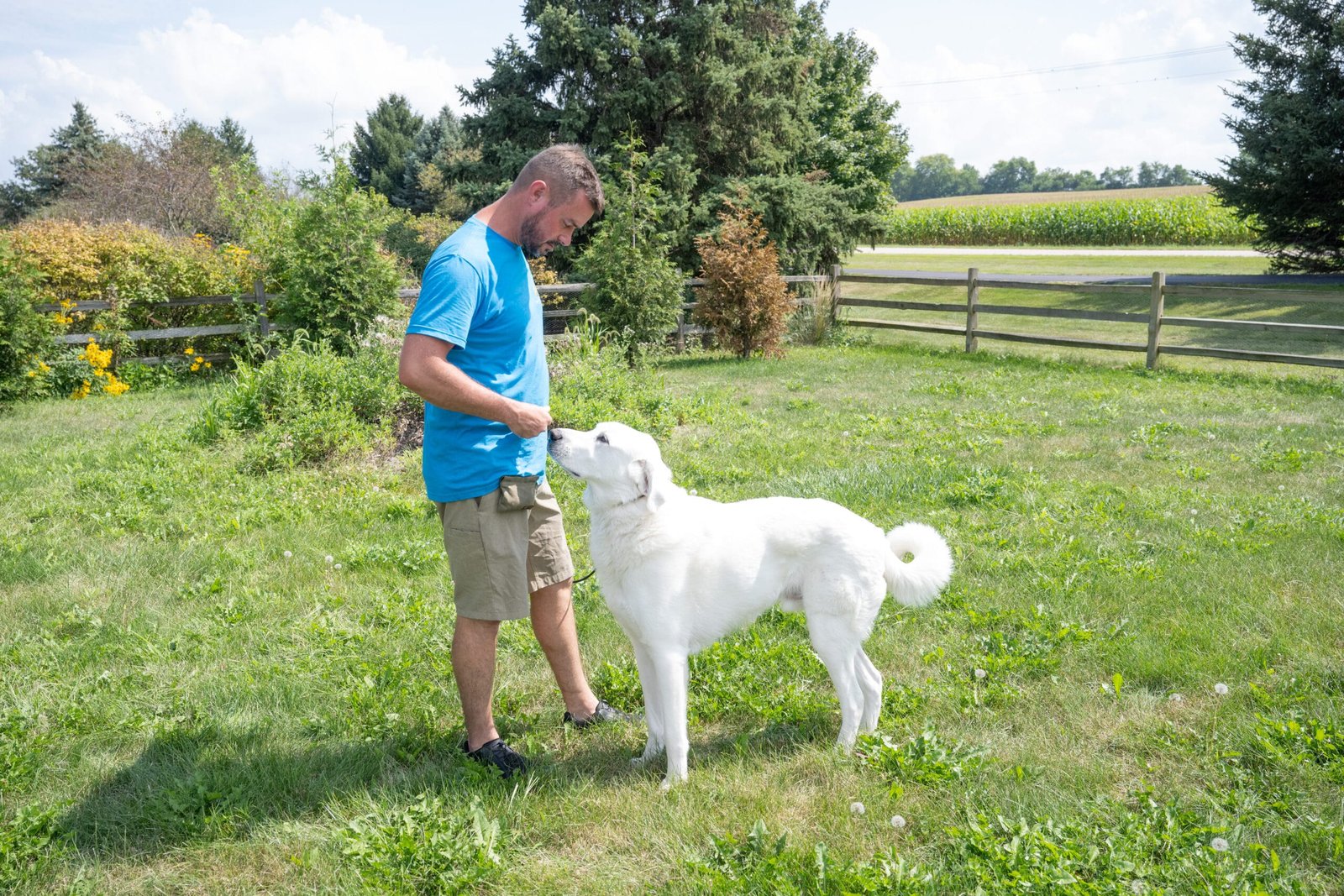
- Impulse ControlImpulse control is the dog's ability to pause, wait, or choose an alternative instead of immediately acting on excitement or desire.
- WaitWait asks the dog to pause temporarily until given permission to continue.
- Leave ItLeave it teaches the dog to disengage from an item, smell, person, animal, or opportunity before taking it.
- Loose Leash WalkingLoose leash walking teaches the dog to move with the handler while keeping slack in the leash.
- Alternative Behavior TrainingAlternative behavior training teaches the dog a specific, realistic response that can replace an unwanted behavior.