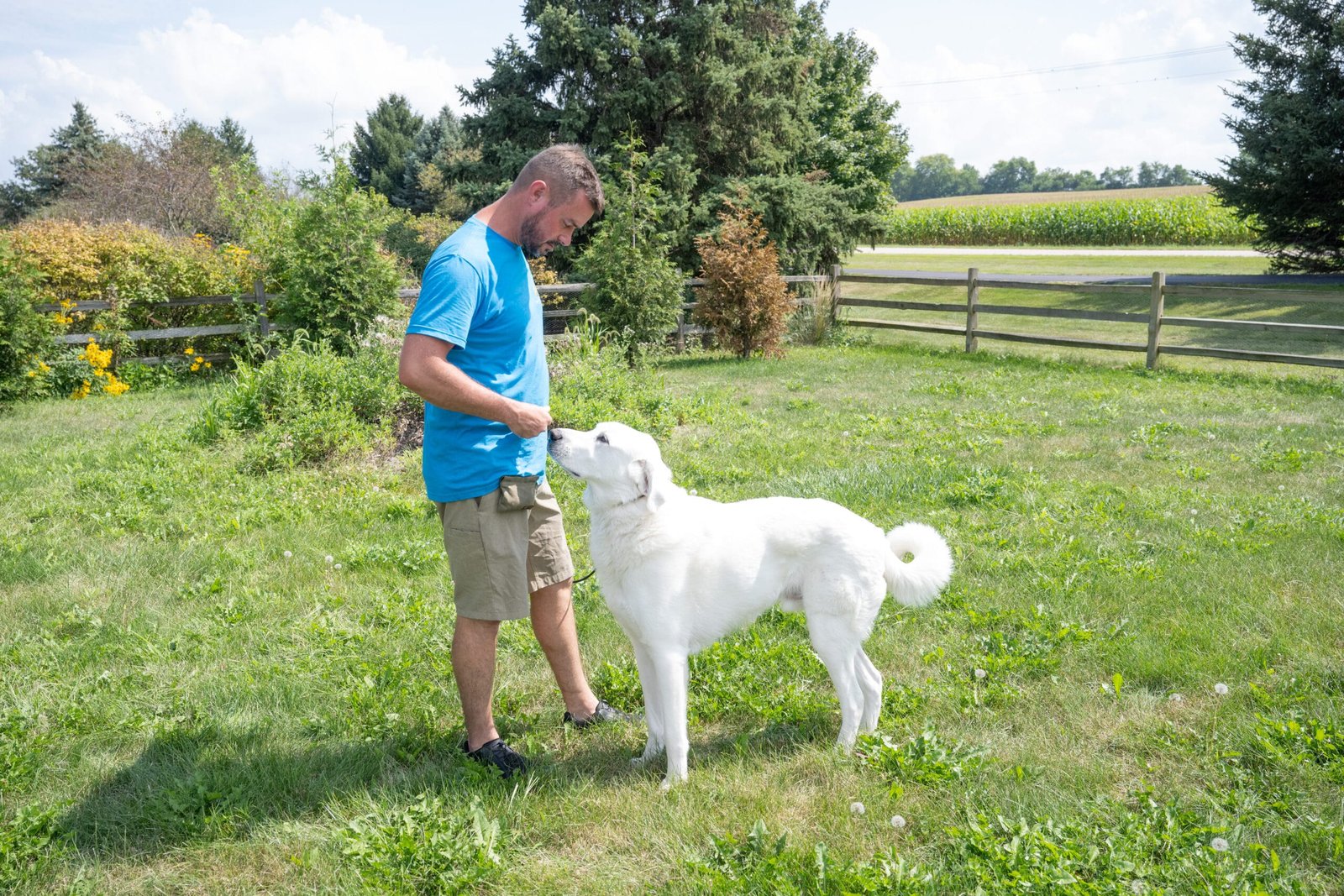
Proofing is the process of strengthening a learned behavior around gradually increasing distractions, duration, distance, and changes in context.
Common Signs
Important Distinction
Proofing is not repeatedly testing the dog until it fails. Training should create successful repetitions and adjust difficulty before frustration or confusion takes over.
What Can Help
Change one variable at a time, reinforce success, return to an easier version when needed, and practice in the settings where the behavior will actually be used.
When To Get Professional Help
Get coaching when the dog performs only in training sessions, fails around ordinary distractions, or the handler is unsure how quickly to raise criteria.
Related Behavior Terms
Related Dog Psychology
GeneralizationApplying learning across different places, people, positions, distances, and situations.ConsistencyThe reliability of cues, boundaries, consequences, and reinforcement across repetitions and people.ArousalThe level of nervous-system activation that influences attention, movement, emotion, and responsiveness.ConfidenceA dog’s ability to approach situations, make decisions, and recover from challenges without becoming overwhelmed.
Related Dog Training
ProofingProofing strengthens a known behavior around distractions, duration, distance, and real-life difficulty. It happens after the dog understands the basic skill and…GeneralizationGeneralization teaches the dog that a known cue applies in different rooms, locations, surfaces, handler positions, and levels of distraction. Dogs often…Distance ManagementDistance management uses physical space to keep the dog within a workable emotional range. Increasing or controlling distance can prevent escalation and…Pattern TrainingPattern training uses a simple, repeatable sequence of movement and reinforcement to create predictability. Familiar patterns can help the dog reconnect, move…
Related Training Option
Group Dog Training
Every dog brings a different history, environment, and reason for the behavior. This service can help identify the right next step and build a plan around the dog in front of you.
This library provides general education, not an assessment of an individual dog. Sudden behavior changes, pain-related behavior, or an immediate safety concern should be discussed with an appropriate veterinary or behavior professional.