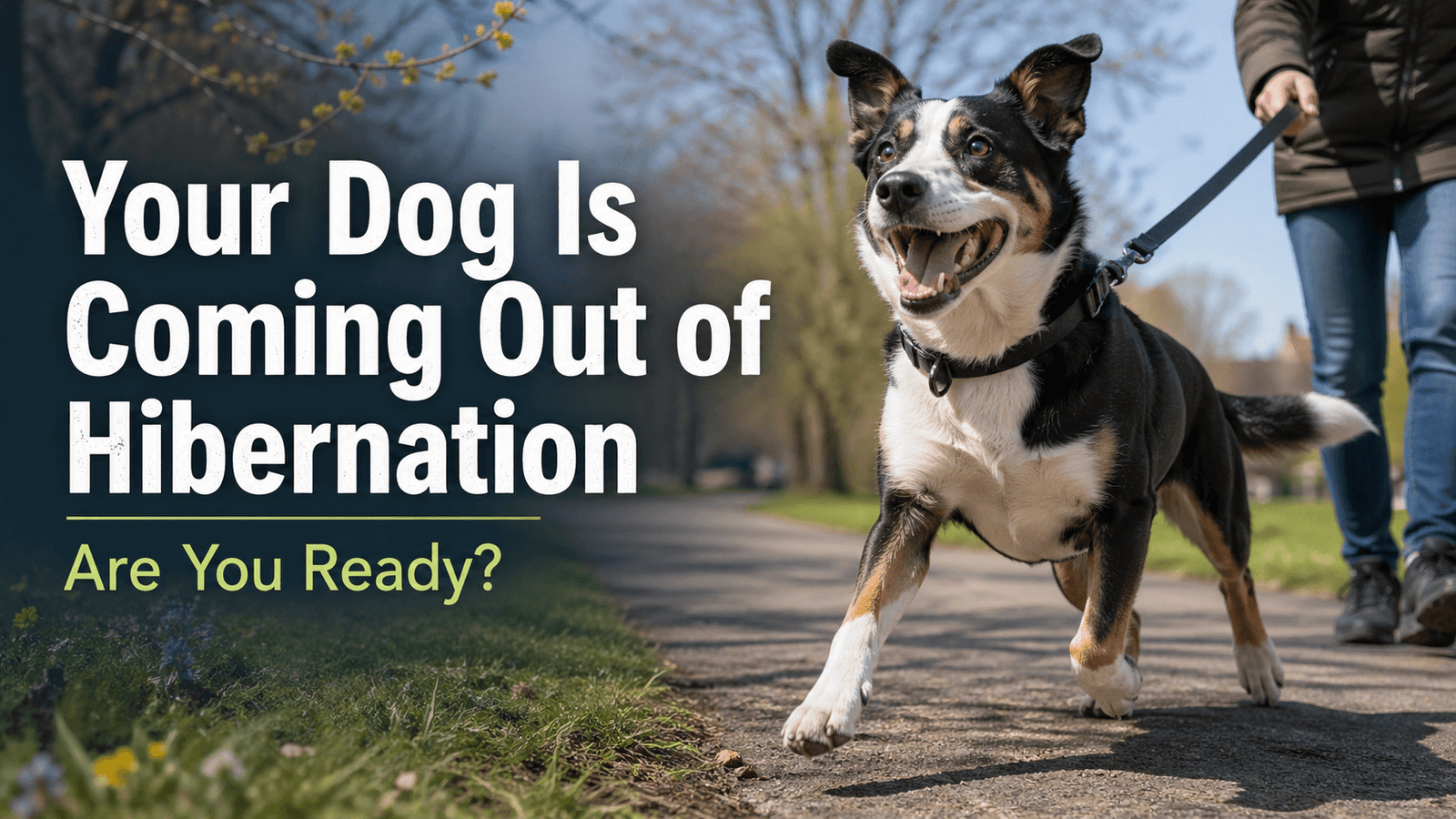
Raised hair along the shoulders, back, or tail caused by autonomic arousal.
Common Signs
- Raised Fur
- Stiff Body
- Heightened Focus
- Excitement or Concern
Important Distinction
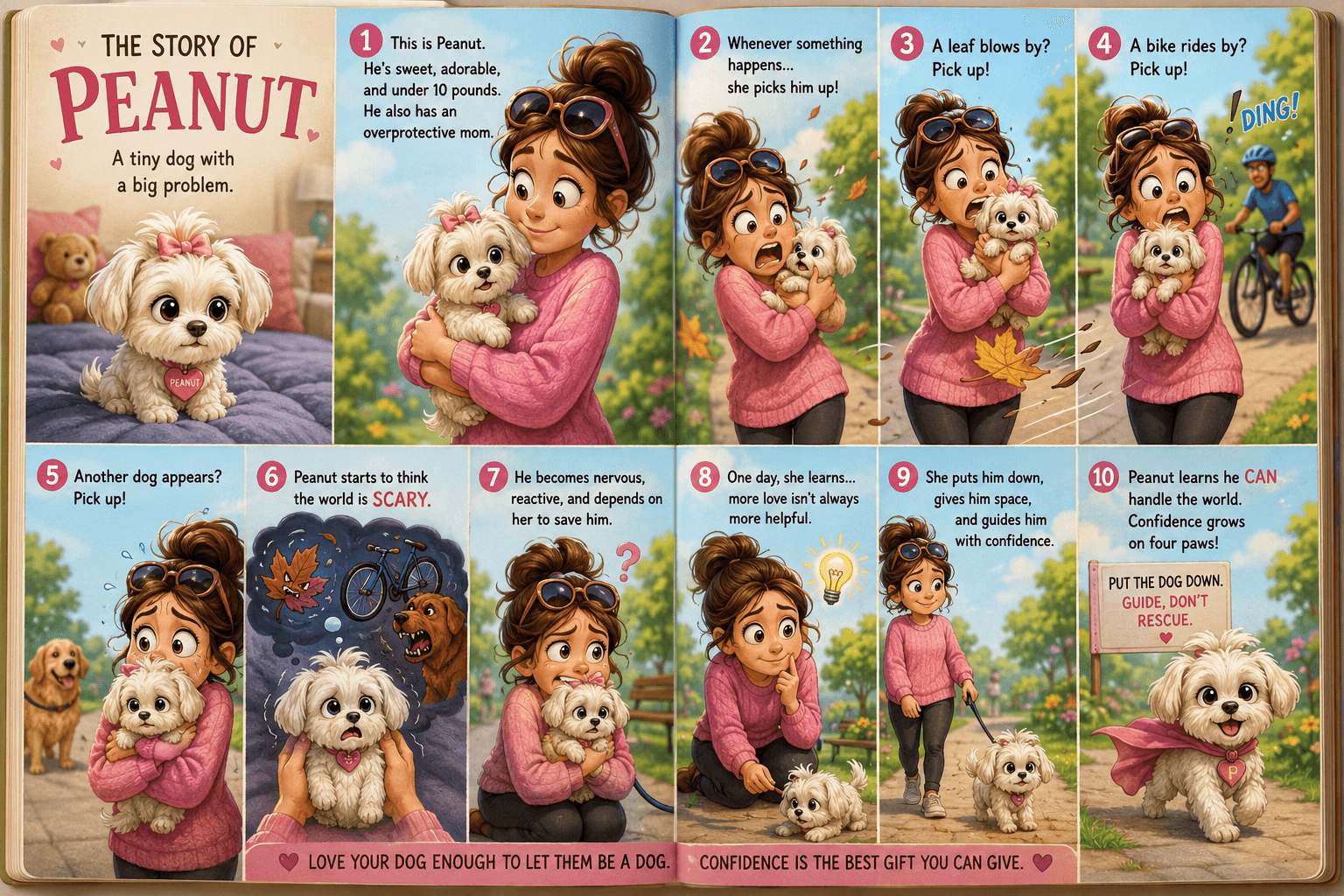
Raised hackles do not automatically mean aggression. They indicate heightened arousal, while the rest of the dog’s body and the context reveal more about intent.
What Can Help
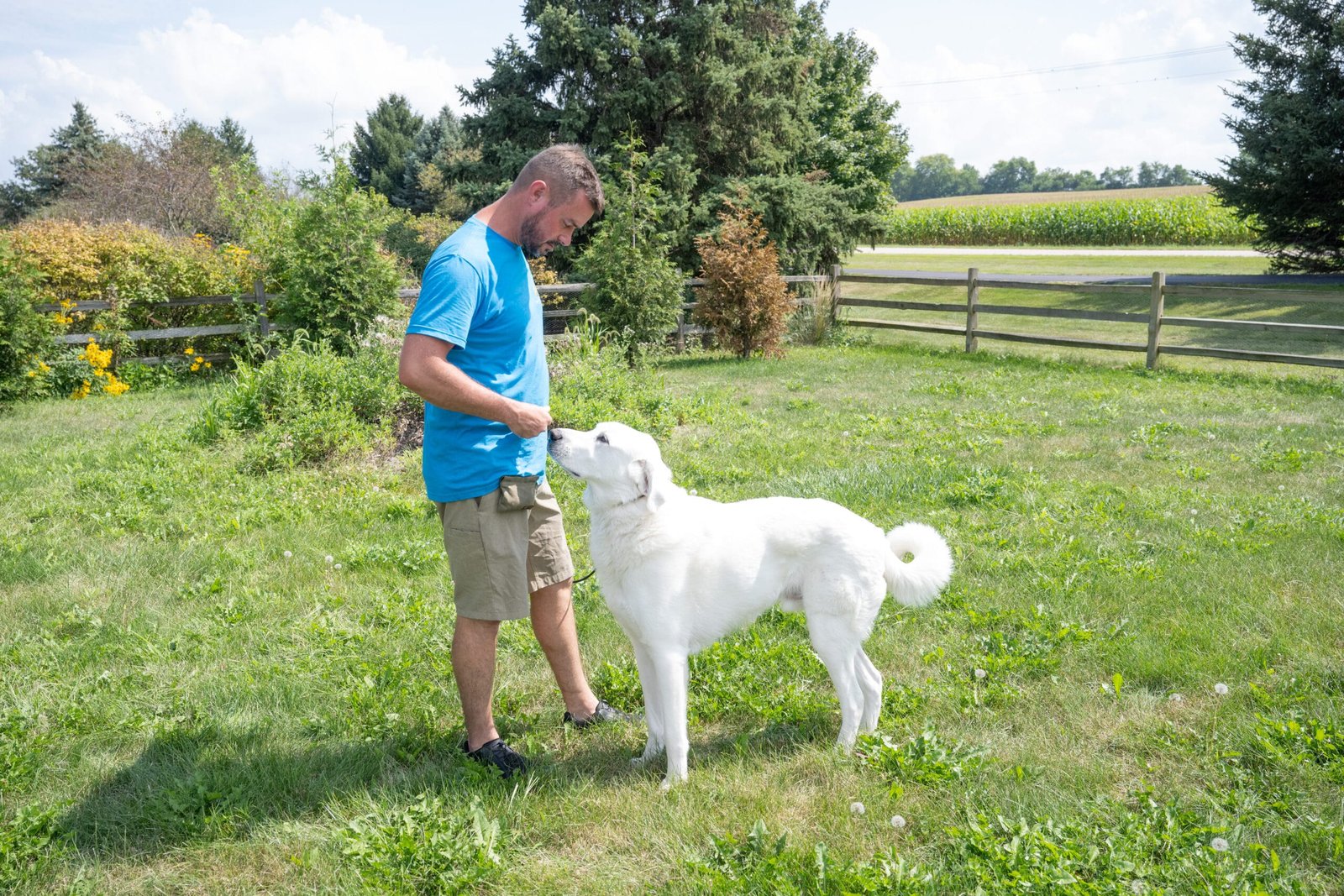
Increase observation and space, reduce intensity, avoid forcing interaction, and watch for stiffness, hard staring, avoidance, or recovery after the event.
When To Get Professional Help
Get help when hackles repeatedly appear with lunging, fighting, guarding, inability to recover, or situations involving close contact with people or dogs.
Related Dog Psychology
ArousalArousal is a dog's level of mental and physical activation. It ranges from deep rest to intense excitement or stress and affects…OverarousalOverarousal occurs when a dog's level of emotional and physical activation becomes so high that self-control, attention, and learning begin to break…StressStress is the body's physical and emotional response to challenge, uncertainty, excitement, discomfort, or change. It may be brief and manageable or…RecoveryRecovery is the process of returning toward a balanced emotional and physical state after excitement, stress, fear, or frustration. The speed and…DecompressionDecompression is intentional time and activity that allow a dog to recover from stress, pressure, or overstimulation. It often includes rest, predictable…
Related Dog Training
SettleSettle teaches the dog to relax in a location without maintaining a rigid position. The goal is a softer emotional and physical…Distance ManagementDistance management uses physical space to keep the dog within a workable emotional range. Increasing or controlling distance can prevent escalation and…Pattern TrainingPattern training uses a simple, repeatable sequence of movement and reinforcement to create predictability. Familiar patterns can help the dog reconnect, move…ManagementManagement changes the environment to prevent unwanted behavior from being rehearsed while training is underway. It includes barriers, leashes, distance, schedules, storage,…
Related Training Option
Behavioral Consultation
Every dog brings a different history, environment, and reason for the behavior. This service can help identify the right next step and build a plan around the dog in front of you.
This library provides general education, not an assessment of an individual dog. Sudden behavior changes, pain-related behavior, or an immediate safety concern should be discussed with an appropriate veterinary or behavior professional.