What Decompression Means
A period of reduced pressure and predictable activity that supports recovery after demanding experiences.
How Decompression Appears in Everyday Life
A dog returns home after boarding and immediately seems restless. The dog follows family members, startles at small sounds, struggles to settle, and reacts more strongly on walks. The family assumes the dog needs extra exercise, but adding busy outings only creates more stimulation.
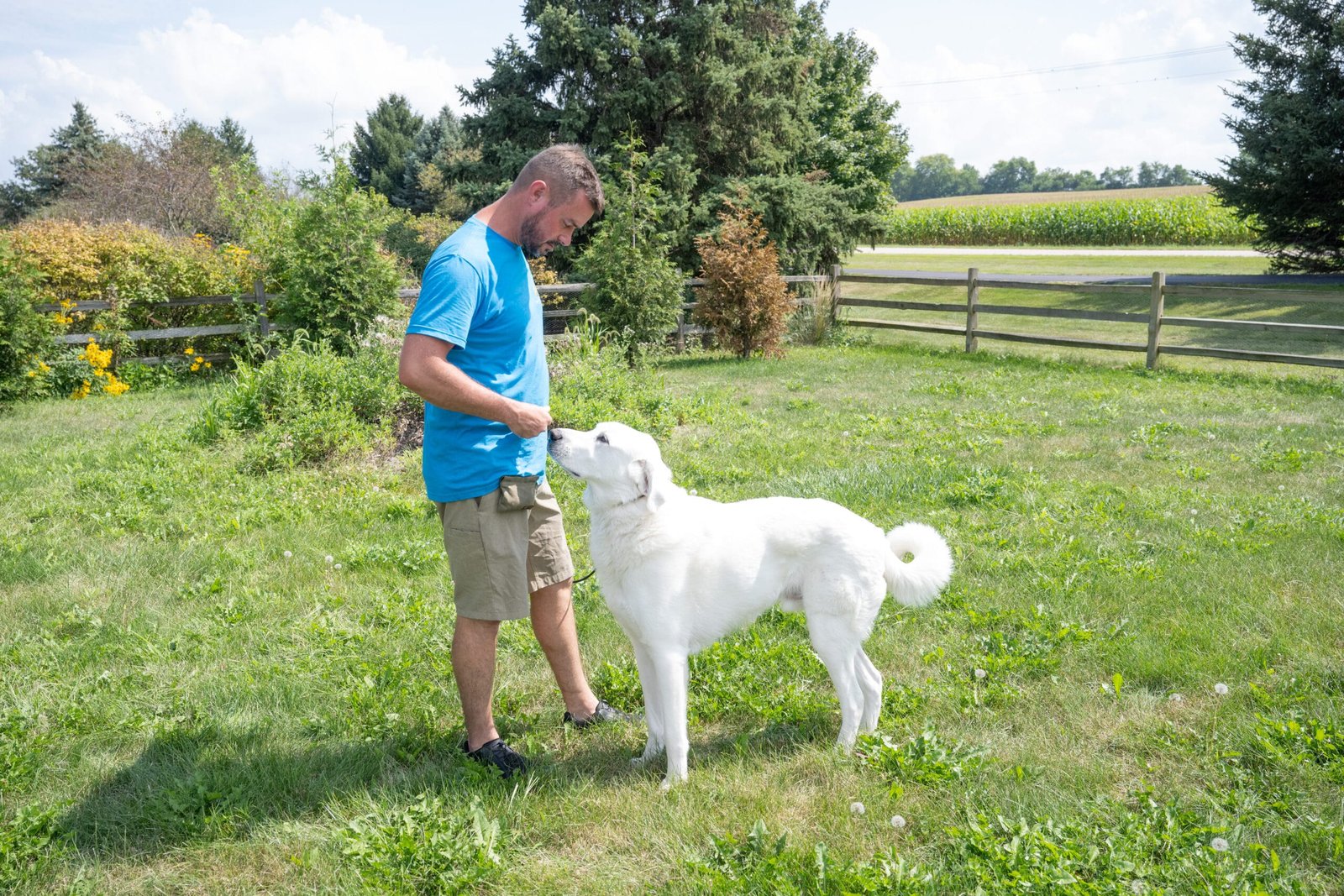
A trainer recommends a decompression period. The dog's schedule becomes simple and predictable. Walks take place in quieter areas with more time for sniffing and less pressure to perform. Training sessions are short and familiar. Social visits, crowded environments, and intense play are temporarily reduced. The dog is given uninterrupted sleep and calm enrichment at home.
Decompression is used side by side with stress, trigger stacking, recovery, arousal, and predictability. Stress explains why the dog's capacity is reduced. Trigger stacking may have accumulated across travel, handling, noise, and unfamiliar routines. Recovery describes the return toward baseline. Arousal helps the trainer decide whether an activity is truly calming or simply tiring. Predictability lowers uncertainty and helps the dog settle.
A trainer does not treat decompression as doing nothing. It is an active part of the training plan because learning is limited when the nervous system is overloaded. Once the dog's normal sleep, appetite, attention, and behavior return, training difficulty can gradually increase. Decompression gives the dog room to process what happened instead of immediately adding more demands.
Related Psychology
- FearAn emotional response to something the dog perceives as an immediate threat or danger.
- AnxietyWorry or anticipation about a possible threat, uncertain outcome, or future event.
- StressThe body and brain’s response to physical, emotional, or environmental demands.
- ThresholdThe point where emotional intensity becomes too high for effective learning or reliable responses.
- Trigger StackingThe accumulation of stressful or exciting events before the dog has fully recovered from earlier events.
Related Dog Behavior
- ReactivityAn intense response to a trigger that may include barking, lunging, pulling, freezing, spinning, or difficulty disengaging.
- Fearful BehaviorBehavior that communicates concern about a person, animal, object, sound, place, or interaction.
- AvoidanceBehavior used to increase distance from, delay, or escape a person, place, object, interaction, or task.
- FreezingA sudden pause or complete stop in movement that may signal uncertainty, conflict, fear, guarding, or preparation to act.
- Body StiffnessA visible increase in muscle tension that may signal uncertainty, high focus, discomfort, conflict, or preparation for action.
Related Dog Training
- ManagementManagement changes the environment to prevent unwanted behavior from being rehearsed while training is underway.
- Distance ManagementDistance management uses physical space to keep the dog within a workable emotional range.
- CounterconditioningCounterconditioning changes the dog's emotional expectation by pairing a trigger with something the dog values.
- DesensitizationDesensitization gradually exposes the dog to a trigger at an intensity low enough to remain manageable.
- Relaxation TrainingTeaching repeatable behaviors and routines that support settling and lower physical activation.