What Marker Training Means
Marker training uses a consistent word, click, or sound to identify the exact moment the dog performs the desired behavior. The marker is followed by reinforcement and gives the dog precise information about what worked.
How To Teach Marker Training
Choose one marker, such as “yes,” and keep its meaning consistent. Begin by saying the marker and immediately giving a reward. Repeat several times without asking for behavior. This creates the association that the marker predicts reinforcement.
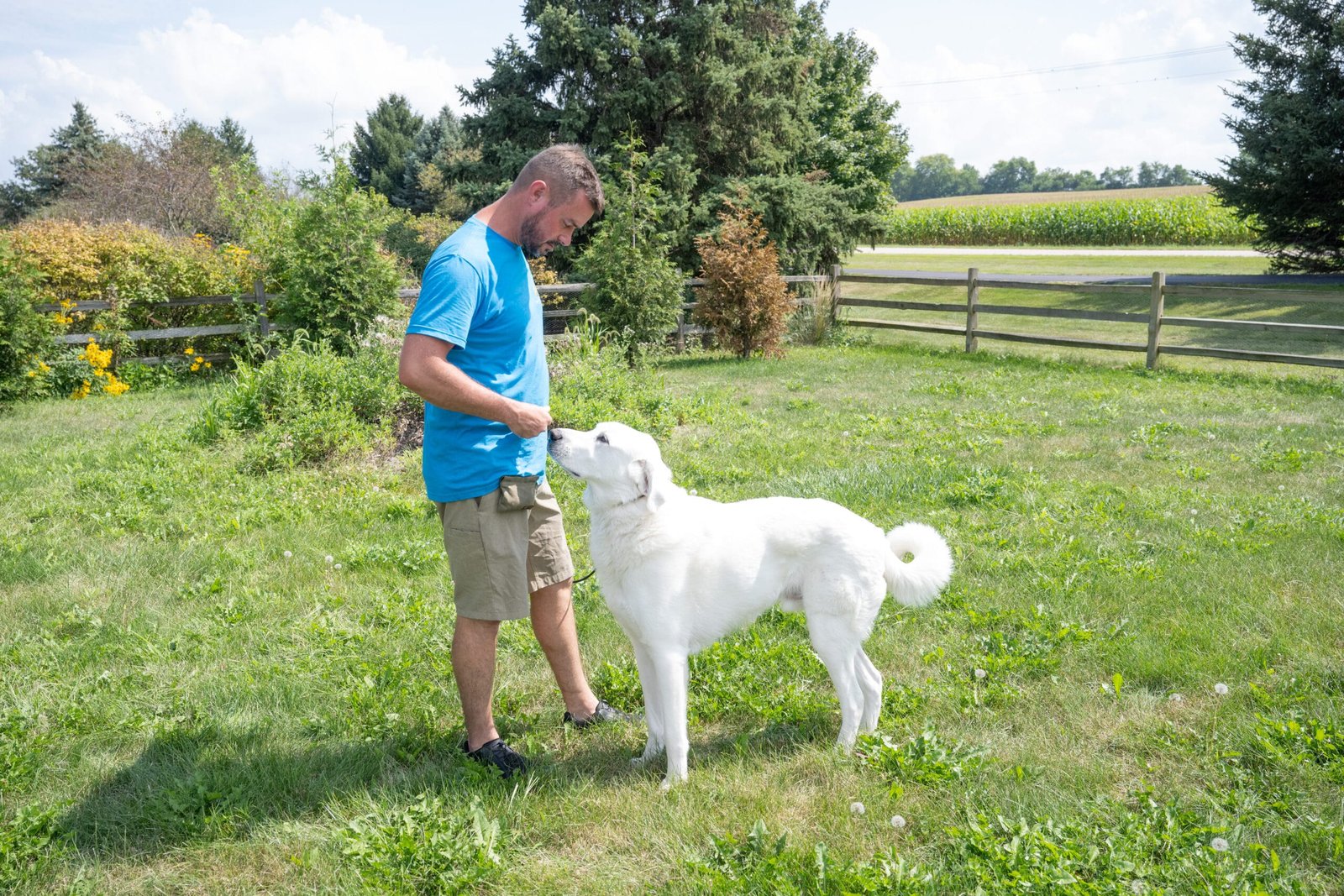
Next, use the marker during a simple behavior the dog already offers. When the dog sits, looks at you, or steps onto a mat, mark the exact instant the behavior occurs, then deliver the reward. The reward can arrive a second later because the marker has already identified the correct moment. This is especially useful when the behavior is brief or happens at a distance.
Keep the marker separate from praise and cues. A cue asks for behavior. The marker tells the dog which behavior earned reinforcement. Do not mark and then decide not to reward. That weakens the marker's value and makes communication unreliable.
Practice your timing before using the marker in difficult situations. If you consistently mark after the dog jumps, breaks position, or looks away, you may reinforce the wrong behavior. Marker training works with shaping, capturing, recall, handling, and behavior modification because it lets the trainer communicate with accuracy. The system does not need to be complicated. One clear marker, followed by a meaningful reward, is enough for most owners to create cleaner learning.
Relatable Child Psychology Analogy
Think about a teacher watching a child solve a math problem. Saying “that step was correct” at the exact moment the child uses the right method is much clearer than offering vague praise after the entire worksheet is finished. A marker gives a dog that same kind of precise information. Children and dogs are different learners, but both benefit when feedback clearly identifies the exact choice that led to success.
Related Training
- EngagementEngagement is the dog's willingness to notice, connect with, and participate with the handler.
- Name RecognitionName recognition teaches the dog that hearing its name means to orient toward the handler for information.
- Reward PlacementReward placement is the deliberate location where reinforcement is delivered.
- LuringLuring uses food, a toy, or another target to guide the dog into a position or movement.
- ShapingShaping teaches a behavior by reinforcing small steps that gradually move toward the finished skill.
Related Dog Behavior
- Attention-Seeking BehaviorBehavior used to gain interaction, including pawing, nudging, barking, jumping, stealing objects, or interrupting people.
- Leash PullingForward, sideways, or backward pressure that keeps the leash tight or moves the handler.
- JumpingPlacing the front paws or body onto a person, object, door, or surface, often during greetings or excitement.
- ReactivityAn intense response to a trigger that may include barking, lunging, pulling, freezing, spinning, or difficulty disengaging.
Related Psychology
- ReinforcementAny consequence that increases the likelihood a behavior will happen again.
- TimingHow closely feedback or consequences follow a behavior, affecting what the dog connects to the outcome.
- AssociationA learned connection between events, cues, places, actions, emotions, or outcomes.
- GeneralizationApplying learning across different places, people, positions, distances, and situations.
- Food MotivationThe degree to which food functions as a valuable outcome for an individual dog in a specific context.