What Proofing Means
Proofing strengthens a known behavior around distractions, duration, distance, and real-life difficulty. It happens after the dog understands the basic skill and should be increased gradually rather than tested all at once.
How To Teach Proofing
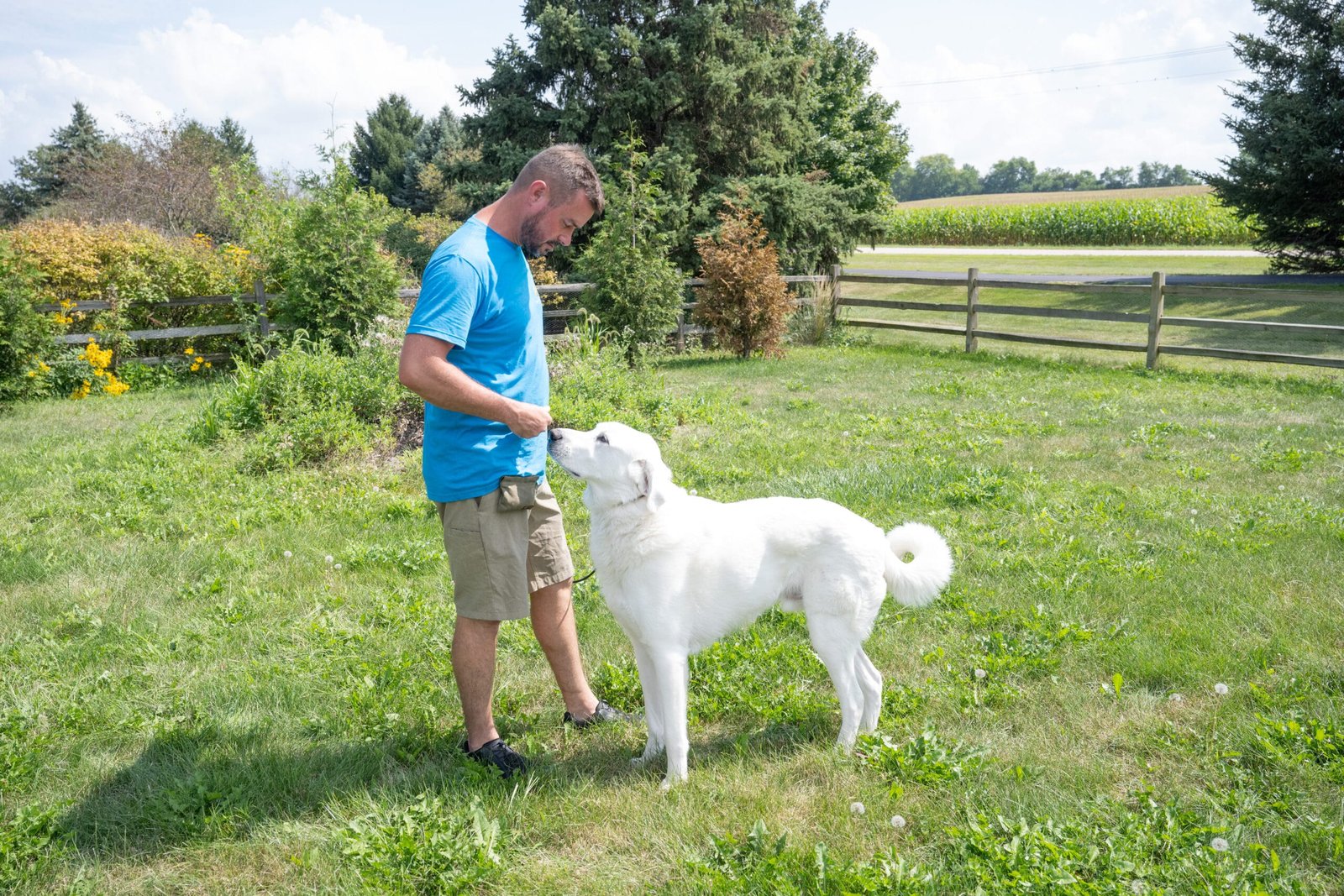
Choose one dimension to make harder. If you are proofing stay, increase either duration, distance, or distraction, not all three in the same repetition. Ask for a short stay while you take one step away. In another session, remain close but add a mild distraction. Reinforce success before the dog breaks.
Use a planned progression. Distractions should begin weak and predictable. A toy placed on the floor is easier than a toy being thrown. A calm person standing nearby is easier than someone calling the dog. If the dog fails repeatedly, the exercise is too difficult. Reduce the challenge and rebuild success.
Do not turn proofing into tricking the dog. The purpose is to teach the dog how to maintain the behavior when life changes, not to surprise it into making mistakes. Clear release cues, reward placement, and management prevent confusion.
Proofing applies to recall, place, leash walking, greetings, and household manners. It should occur in multiple environments so the dog learns both the cue and the context. A reliable behavior is built through many successful repetitions near the edge of the dog's current ability. Repeated failure only rehearses breaking the behavior. The trainer controls difficulty so the dog learns that distractions can exist without changing the expected response.
Relatable Child Psychology Analogy
Think about a child learning to read in a quiet room. Once the child understands the words, a teacher may gradually introduce normal classroom noise, longer passages, or greater distance from help. Adding every challenge at once would test the child more than it teaches. Proofing a dog's behavior works similarly. One variable is made harder at a time so the learner can succeed while gradually becoming more capable around real-life distractions.
Related Training
- EngagementEngagement is the dog's willingness to notice, connect with, and participate with the handler.
- Name RecognitionName recognition teaches the dog that hearing its name means to orient toward the handler for information.
- Marker TrainingMarker training uses a consistent word, click, or sound to identify the exact moment the dog performs the desired behavior.
- Reward PlacementReward placement is the deliberate location where reinforcement is delivered.
- LuringLuring uses food, a toy, or another target to guide the dog into a position or movement.
Related Dog Behavior
- Attention-Seeking BehaviorBehavior used to gain interaction, including pawing, nudging, barking, jumping, stealing objects, or interrupting people.
- Leash PullingForward, sideways, or backward pressure that keeps the leash tight or moves the handler.
- JumpingPlacing the front paws or body onto a person, object, door, or surface, often during greetings or excitement.
- ReactivityAn intense response to a trigger that may include barking, lunging, pulling, freezing, spinning, or difficulty disengaging.
Related Psychology
- ReinforcementAny consequence that increases the likelihood a behavior will happen again.
- TimingHow closely feedback or consequences follow a behavior, affecting what the dog connects to the outcome.
- AssociationA learned connection between events, cues, places, actions, emotions, or outcomes.
- GeneralizationApplying learning across different places, people, positions, distances, and situations.
- Food MotivationThe degree to which food functions as a valuable outcome for an individual dog in a specific context.