What Greeting Manners Means
Greeting manners teach the dog how to approach and interact with people without jumping, mouthing, barking, or overwhelming the person. The training should match the dog's emotional state and social comfort.
How To Teach Greeting Manners
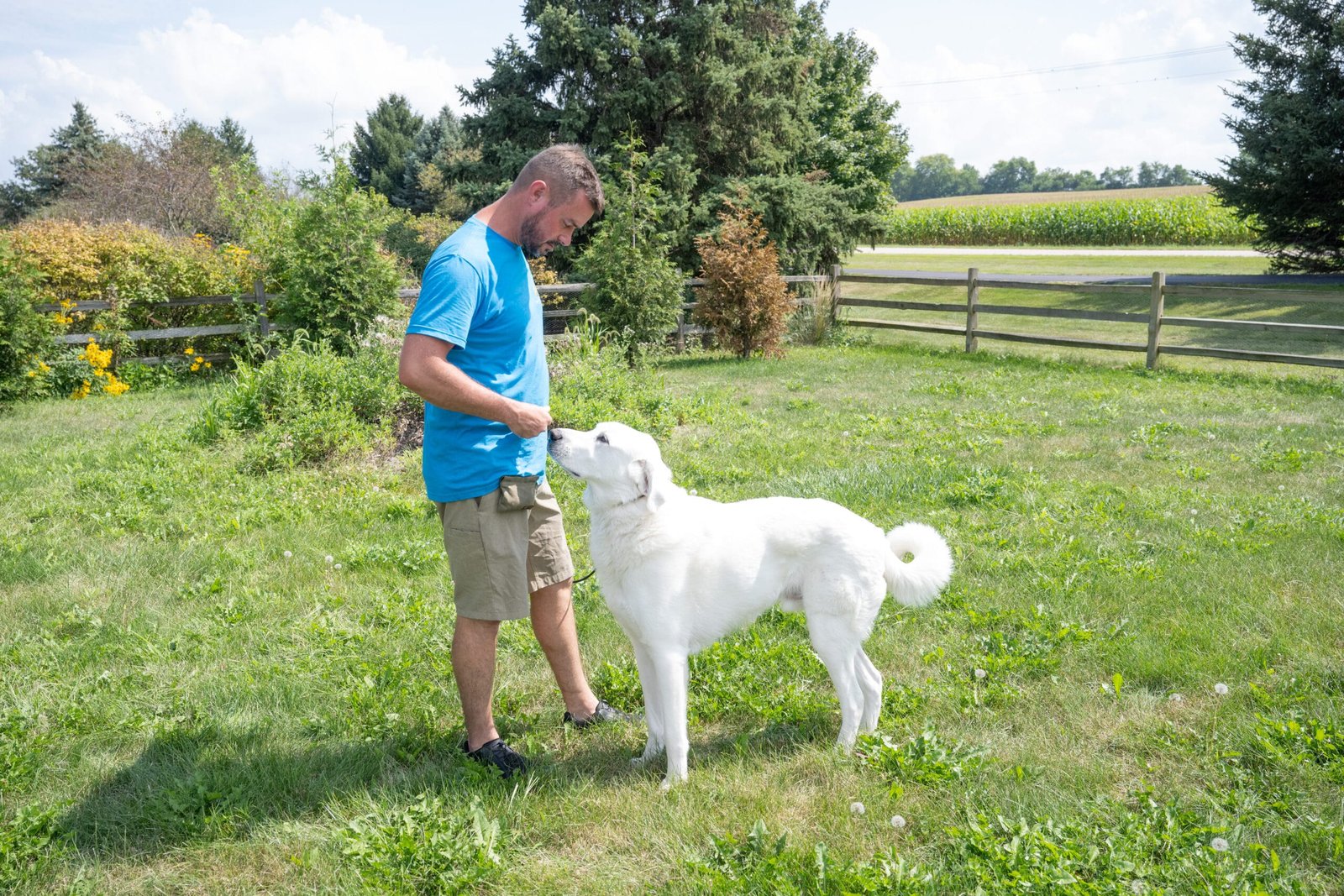
Begin with a calm helper and the dog on leash or behind a gate. The helper approaches only while the dog keeps four paws on the floor and can remain responsive. Mark and reward calm behavior. If the dog jumps or surges forward, the helper pauses or steps away without scolding.
Use short greetings. One or two seconds of petting may be enough before calling the dog back for reinforcement. Repeatedly release and reset so the dog learns that calm behavior keeps social access available. For highly excited dogs, begin with the helper standing at a distance and build gradually.
Not every dog wants physical contact from unfamiliar people. Watch for avoidance, lip licking, stiffness, or turning away. Greeting manners also include allowing the dog to decline interaction. Do not force a sit while a worried dog is approached.
Use place, hand targets, check-ins, or four paws on the floor as alternative behaviors. Choose one clear routine that family members and guests can follow. Inconsistent responses, such as petting the dog during some jumps and correcting others, keep jumping strong.
The goal is not to remove excitement or friendliness. It is to give the dog a safe, repeatable way to greet while preserving choice and preventing the behavior from escalating.
Relatable Child Psychology Analogy
Think about teaching an excited child not to tackle a grandparent during a greeting. The affection is not wrong, but the child needs a safer way to express it, such as walking up, saying hello, and waiting for contact. Greeting manners teach a dog the same general lesson. Excitement can remain, but jumping, mouthing, and crowding are replaced with behavior that allows social interaction to happen safely.
Related Training
- SettleSettle teaches the dog to relax in a location without maintaining a rigid position.
- Impulse ControlImpulse control is the dog's ability to pause, wait, or choose an alternative instead of immediately acting on excitement or desire.
- Door MannersDoor manners teach the dog to approach, wait at, and move through doors without rushing, jumping, or pulling.
- Four Paws on the FloorFour paws on the floor reinforces the dog for standing or moving without jumping.
- Relaxation TrainingTeaching repeatable behaviors and routines that support settling and lower physical activation.
Related Dog Behavior
- JumpingPlacing the front paws or body onto a person, object, door, or surface, often during greetings or excitement.
- Door RushingMoving quickly through an opening before being released or before the handler can safely control the transition.
- Demand BarkingBarking that has learned to produce attention, food, movement, play, access, or another desired outcome.
- Greeting FrustrationBarking, pulling, whining, or lunging when a dog wants social access but cannot reach the person or dog.
Related Psychology
- ArousalThe level of nervous-system activation that influences attention, movement, emotion, and responsiveness.
- Frustration ToleranceThe ability to remain organized when access, movement, attention, or reinforcement is delayed or unavailable.
- Inhibitory ControlThe ability to pause or suppress an immediate response in favor of another action.
- ReinforcementAny consequence that increases the likelihood a behavior will happen again.
- ConsistencyThe reliability of cues, boundaries, consequences, and reinforcement across repetitions and people.