What Negative Reinforcement Means
Removing or reducing something unpleasant after a behavior so that behavior becomes more likely.
How Negative Reinforcement Appears in Everyday Life
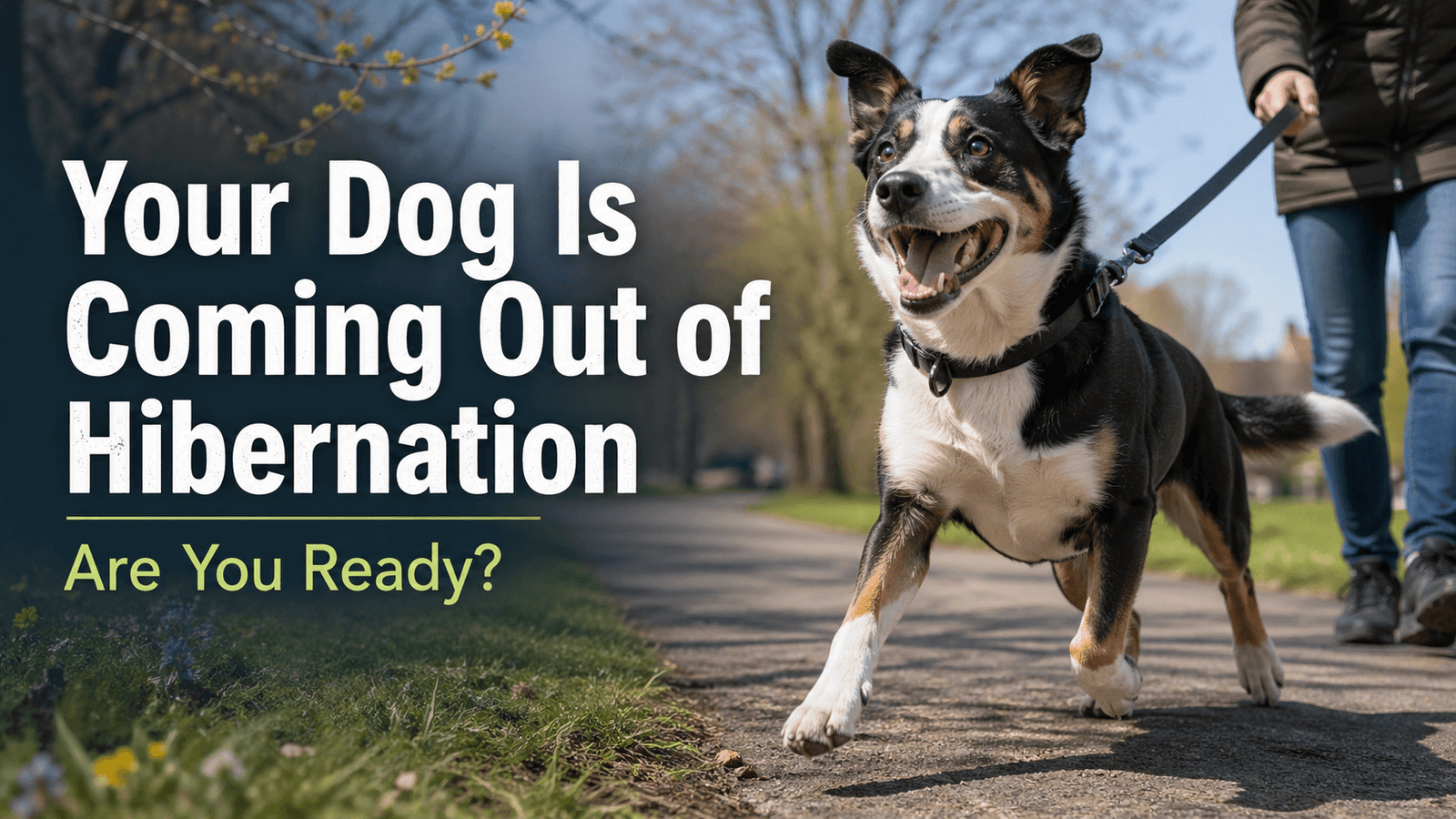
A common example is leash pressure. A dog feels light tension on the leash, steps toward the handler, and the pressure immediately disappears. If that release consistently follows movement toward the handler, moving toward the handler may become more likely because it turns the pressure off.
A trainer uses this concept carefully because the pressure must remain mild enough for the dog to think, and the release must be precise enough for the dog to understand what changed the situation. Poor timing can reinforce the wrong behavior or create confusion. Too much pressure can increase fear, conflict, avoidance, or shutdown rather than produce clear learning. A relationship-based trainer may explain negative reinforcement so owners understand how pressure and release work, while still relying heavily on positive reinforcement, environmental management, and clear communication.
Negative reinforcement is used side by side with timing, threshold, trust, and operant conditioning. Timing determines whether the dog connects the release to the intended response. Threshold matters because an overwhelmed dog may react emotionally instead of learning. Trust influences whether guidance feels predictable or threatening. Operant conditioning explains why the behavior changes because of its consequence.
The concept also helps explain accidental learning. A fearful dog may bark at a stranger until the stranger moves away. The removal of the stranger can reinforce barking because barking appeared to create distance. A trainer then works below threshold, changes the dog's emotional association, and teaches safer behaviors without repeatedly allowing barking to succeed.
Related Psychology
- ReinforcementAny consequence that increases the likelihood a behavior will happen again.
- Positive ReinforcementAdding something the dog values after a behavior so that behavior becomes more likely in the future.
- Operant ConditioningLearning in which consequences influence whether a behavior becomes more or less likely.
- ExtinctionA reduction in behavior when the consequence that previously maintained it no longer occurs.
- Reinforcement HistoryThe accumulated pattern of outcomes that has strengthened or weakened a behavior over time.
Related Dog Behavior
- Demand BarkingBarking that has learned to produce attention, food, movement, play, access, or another desired outcome.
- JumpingPlacing the front paws or body onto a person, object, door, or surface, often during greetings or excitement.
- Leash PullingForward, sideways, or backward pressure that keeps the leash tight or moves the handler.
- Counter SurfingSearching counters, tables, sinks, or other surfaces for food or interesting objects.
- Attention-Seeking BehaviorBehavior used to gain interaction, including pawing, nudging, barking, jumping, stealing objects, or interrupting people.
Related Dog Training
- Marker TrainingMarker training uses a consistent word, click, or sound to identify the exact moment the dog performs the desired behavior.
- Reward PlacementReward placement is the deliberate location where reinforcement is delivered.
- ShapingShaping teaches a behavior by reinforcing small steps that gradually move toward the finished skill.
- CapturingCapturing means reinforcing a behavior the dog offers naturally without being prompted.
- Alternative Behavior TrainingAlternative behavior training teaches the dog a specific, realistic response that can replace an unwanted behavior.