What Bite Inhibition Means
Bite inhibition teaches a puppy to control the force and frequency of mouthing during play and interaction. Puppies explore with their mouths, so training focuses on redirection, appropriate play, and preventing overarousal.
How To Teach Bite Inhibition
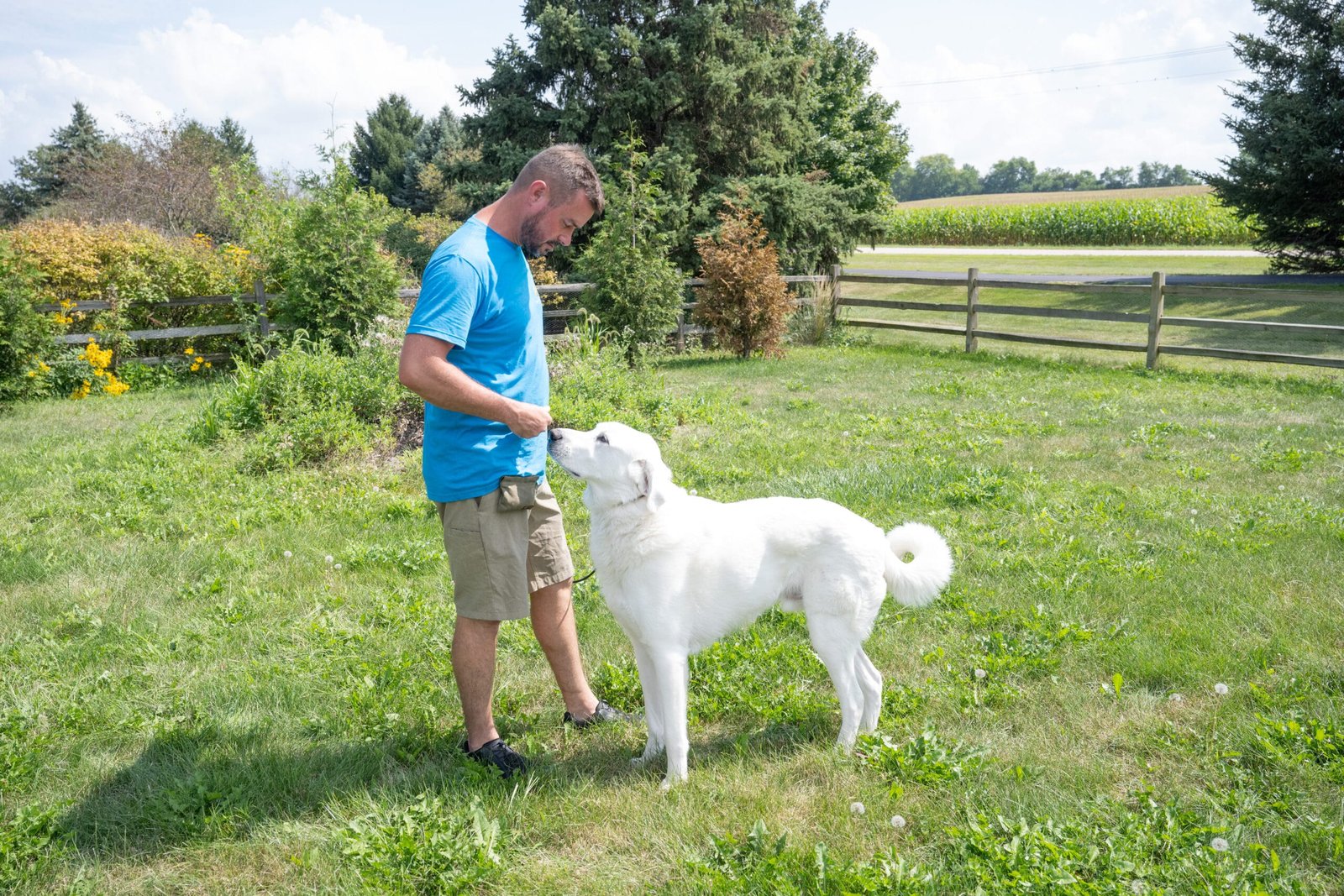
Provide appropriate toys during interaction and redirect the puppy's mouth before hands or clothing become the target. If the puppy bites too hard, calmly pause movement and attention for a brief moment. Resume when the puppy settles, then redirect to a toy.
Watch the puppy's arousal level. Mouthing often becomes harder when the puppy is tired, overstimulated, frustrated, or needs a bathroom break. Use naps, short play sessions, food enrichment, and calm transitions rather than continuing until the puppy loses control.
Avoid rough hand play that teaches the puppy to chase fingers, then punishing the same behavior later. Also avoid physical corrections that increase excitement, fear, or defensive biting. The puppy needs clear, consistent information about what is appropriate to bite.
Reinforce gentle interaction, toy engagement, and calm four-paws-on-the-floor behavior. Teach drop it and leave it separately. Controlled play with suitable dogs may also provide feedback, but dog interactions should be supervised and matched carefully.
Bite inhibition develops over time. Management protects children, clothing, and the puppy while learning occurs. If biting is intense, sudden, connected to handling, or accompanied by stiffness and warning signals, the issue may be more than normal puppy mouthing and should be evaluated professionally.
Relatable Child Psychology Analogy
Think about teaching a young child to use gentle hands during play. The child may not intend harm, but still needs feedback about how much force is acceptable. Adults interrupt overly rough play, calm the situation, and reinforce safer interaction. Bite inhibition develops through a similar learning process in puppies. The goal is to teach control of the mouth and provide appropriate outlets, not to expect a young learner to understand human skin and clothing automatically.
Related Training
- Puppy SocializationPuppy socialization is the process of creating safe, positive exposure to people, animals, surfaces, sounds, handling, environments, and everyday life during.
- Greeting MannersGreeting manners teach the dog how to approach and interact with people without jumping, mouthing, barking, or overwhelming the person.
- Handling and GroomingHandling and grooming training prepares the dog for touch, brushing, bathing, nail care, ear care, and routine body inspection.
Related Dog Behavior
- Mouthing and NippingUsing the mouth on hands, clothing, leashes, or bodies without a full-force bite.
- Play BitingMouth contact that occurs during play and may become too hard, persistent, or poorly controlled.
- Fearful BehaviorBehavior that communicates concern about a person, animal, object, sound, place, or interaction.
- JumpingPlacing the front paws or body onto a person, object, door, or surface, often during greetings or excitement.
Related Psychology
- Social LearningLearning by observing or interacting with people, dogs, or other animals.
- HabituationA decreased response after repeated exposure to a stimulus that proves unimportant or harmless.
- ConfidenceA dog’s ability to approach situations, make decisions, and recover from challenges without becoming overwhelmed.
- AssociationA learned connection between events, cues, places, actions, emotions, or outcomes.
- Emotional ContagionThe transfer or alignment of emotional states between individuals through social cues and interaction.